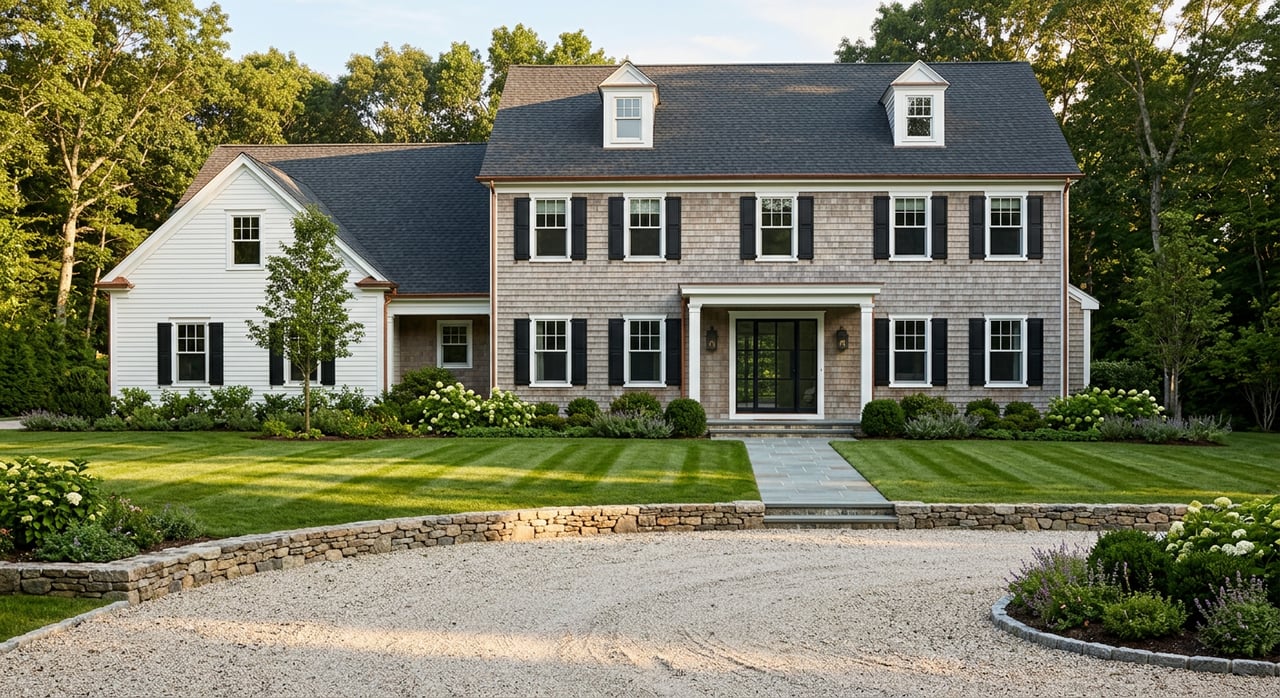
Brookville NY Luxury Homes: What Buyers Should Know
Looking for an estate property on Long Island’s North Shore where you can stretch out, add a barn, or ride at home? Brookville offers that classic Gold Coast setting with multi-acre lots and real privacy. Choosing well takes more than liking a grand driveway, though. You need to understand zoning, approvals, taxes, and what makes land truly usable for equestrian life. In this guide, you’ll learn how Brookville works, what to check before you write an offer, and how to plan for the costs that come with estate living. Let’s dive in.
Brookville is an incorporated village in the Town of Oyster Bay, Nassau County, known for large parcels and historic manor homes. Village-level rules shape what you can build and where. That means every property is impacted by village, town, school district, and county layers.
To set context, review the village background and how school district boundaries intersect the area on the official community page at the Village of Brookville. For permits and procedures, start with the Village Building Department.
Brookville’s residential zoning is estate-scale by design. Minimum lots are:
These minimums are literal and control development rights. Bulk tables also set wide front, side, and rear yards, cap building height, and limit building coverage as a percentage of lot size. There is a building volume formula tied to acreage as well. Always confirm the exact district and bulk rules in the Village Code flipbook.
Private equestrian uses are recognized accessory structures in Brookville. The code lists private stables and private riding rings as permitted accessory buildings, subject to setbacks, coverage limits, and aggregate accessory size rules. Commercial uses, such as boarding or riding academies, are treated differently and face stricter limits. The code also references much larger minimums for clubs, with riding clubs noted at 60 acres. Review accessory-use rules in the Village Code before planning improvements.
For larger holdings, the Planning Board may allow lot averaging when subdividing a parcel that is at least three times the minimum lot size for the district. Some flexibility is possible, but only under Planning Board authority and conditions. Ask whether a property has prior lot averaging or a preexisting nonconforming status noted in the file. The governing standards live in the Village Code.
Expect village-level oversight. Typical approvals move through the Building Department for permits and may require Planning Board, Zoning Board of Appeals, or architectural review. Variances and site plans often involve public notice to neighbors and hearings. Confirm process and lead times early with the village. Start with the Building Department and the Zoning Board of Appeals page.
If horses are part of your lifestyle, build these checks into your offer and inspection window:
Nassau County has some of the highest property tax bills in the country. The Tax Foundation reports a county median near $10,001, with an effective rate around 1.52 percent on the median home value. Use this as context and expect higher absolute dollars on large estates. See the county comparison at the Tax Foundation.
At the zip code level near Brookville, samples show median property taxes around the upper four-figure range, but estate-scale homes typically pay far more in dollars. For a quick snapshot of the 11548 zip, see City-Data’s 11548 profile. Always pull the current parcel tax bill and recent roll history before you commit.
In New York, the school district levy is often the largest piece of the local tax bill. Brookville parcels fall into different North Shore districts depending on location. Most village homes are within the Jericho Union Free School District, with other parts within districts such as Locust Valley or Oyster Bay–East Norwich. District assignment can influence both taxes and buyer demand. Confirm the assigned district before you sign. For village context, see the community page.
Budget for these recurring items:
Luxury markets with low turnover can show noisy medians. In the Brookvilles, you will find a wide range, from renovated homes on roughly 2 acres to architecturally significant estates on 5 to 10 plus acres. As a directional guide, recent activity has shown:
A useful reference point at the high end is “Haut Bois,” an eight-acre French chateau–inspired estate that hit the market near $14.9M, as covered by LongIsland.com. Treat these bands as context and rely on fresh, local comparisons when you are ready to write.
Use this short list to run a tight process before you sign:
Brookville rewards careful buyers who align their wish list with the code and the land. If you want an estate that supports equestrian life, privacy, and long-term value, the details matter. When you are ready to translate goals into a clear search and offer plan, connect with Annie Holdreith for calm, data-driven guidance tailored to the North Shore.
Stay up to date on the latest real estate trends.
In a competitive real estate market, Annie is the Trusted Real Estate Advisor who will guide you to success. When you work with her, you have a calm, respected, seasoned professional with a proven track record by your side every step of the way.
Annie Holdreith
[email protected]
516.509.4082
License #10301201745
364 Plandome Rd Manhasset NY 11030