Choosing Between Port Washington Waterfront Homes & In‑Town Life
Love the pull of bay breezes but also want the ease of a quick coffee run and a short walk to the train? In Port Washington, you can have either lifestyle, and sometimes a bit of both. The choice affects your daily routine, maintenance needs, insurance, and what you pay. This guide breaks down the key tradeoffs so you can pick the fit that matches how you live and commute. Let’s dive in.
Port Washington sits on the Cow Neck peninsula with Manhasset Bay to the west and Hempstead Harbor to the east, a setting that shapes both housing and lifestyle. Many blocks are near the water, but “true” waterfront lots with bulkheads or dock rights are limited and command premiums. The overall market has tracked around the $1.0–$1.3M band for medians in recent snapshots, while top waterfront estates reach several million. The hamlet includes incorporated villages and named neighborhoods with different proximity to marinas, beaches, and Main Street conveniences.
Port Washington includes several villages and pockets such as Manorhaven, Baxter Estates, Port Washington Estates, Manhasset Isle, and nearby Sands Point. You will find a mix of housing types across the peninsula. For local context on geography and boundaries, review the Port Washington overview on Wikipedia.
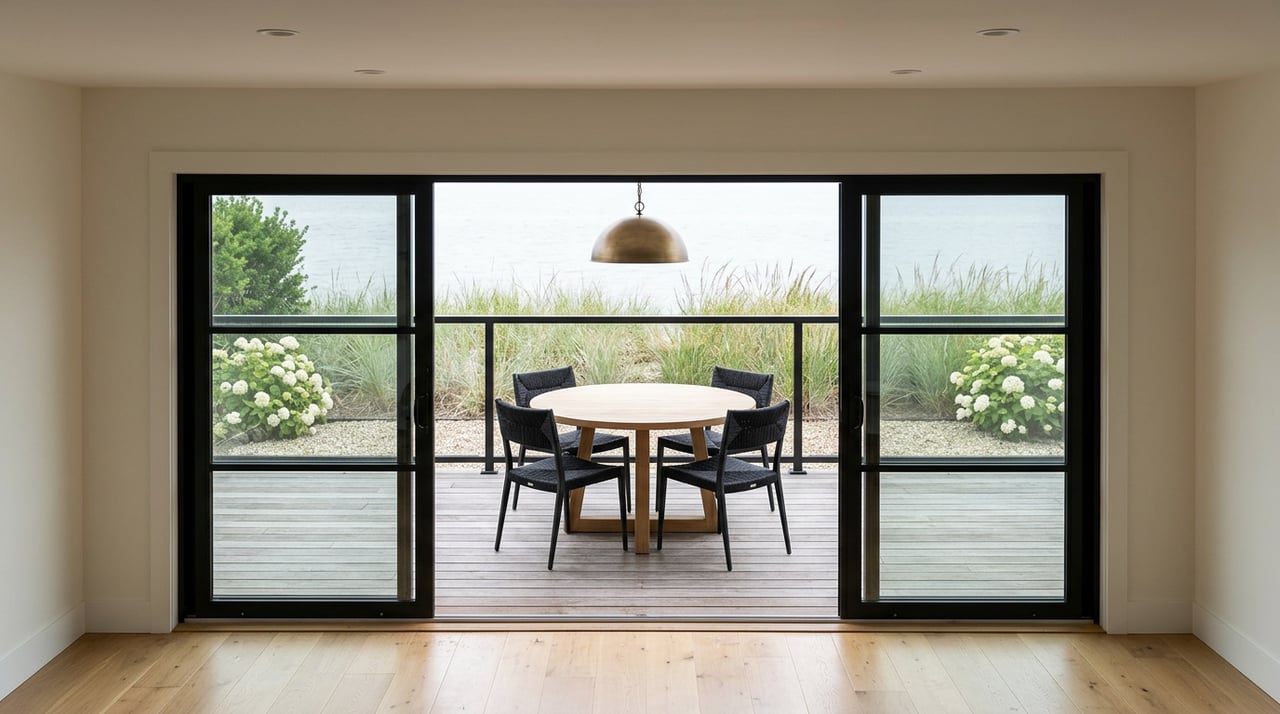
Waterfront lots front Manhasset Bay or Hempstead Harbor. Many offer expansive views and, in some cases, private bulkheads, docks, or deeded beach access. These homes often sit on larger lots or on renovated parcels designed for boat access and indoor‑outdoor living. Prices range widely, with standout estates trading above $5M and other near‑water homes in the high six figures to several million depending on view, elevation, and amenities.
The in‑town corridor centers around Main Street and the LIRR station. Here you will see condos, co‑ops, and smaller single‑family homes within a short stroll of coffee, dining, the library, and commuter rail. The Main Street core scores high for walkability, with a Walk Score around 90 according to Walk Score’s Main Street snapshot. For buyers who want daily convenience and a simpler maintenance profile, this pocket stands out.
If you picture morning coffee, dinner out, and quick library stops on foot, in‑town living makes that easy. You reduce first‑ and last‑mile time to the LIRR and can lean less on a car for daily tasks. Many buildings also handle exterior maintenance for you.
Waterfront living prioritizes views, boating, and quiet residential streets. You gain direct access to the bay or harbor and front‑row sunsets. You also take on more private upkeep, like bulkhead or dock monitoring, and you may drive a few extra minutes for errands. The Town of North Hempstead has advanced public waterfront improvements at Town Dock Park, which signals ongoing investment in coastal amenities. You can read about the project’s approval in this Long Island Press update.
Port Washington is the terminus of the LIRR Port Washington Branch with direct service to Penn Station and Grand Central Madison. Depending on your train pattern, many riders see mid‑30 to mid‑40 minute trips. Current timetables and the TrainTime app will give you exact options; the LIRR notes comparable running times to both terminals in its schedule updates, such as this timetable notice.
If you live close to the station, you may need fewer parking arrangements and can rely on permit district lots or short walks. Farther‑flung waterfront streets usually mean more driving and garage or driveway parking. Rules vary by block and district, so confirm Port Washington Parking District or Town details for your address.
Across recent trackers, Port Washington’s overall medians have hovered around $1.0–$1.3M. Waterfront homes with large lots, views, and dock rights can sell from the high six figures to several million, with notable estates above $5M. In‑town condos and co‑ops often sit below the top single‑family waterfront prices, with examples around the mid‑$600Ks to the high‑$800Ks for some Main Street buildings. Exact premiums depend on street, elevation, view corridor, and dock or beach rights.
Waterfront and near‑shore homes should be evaluated address by address for flood‑zone designation. The FEMA Flood Map Service Center is the place to verify a property’s current map panel and the effective date. Check your exact address using the FEMA MSC.
Flood insurance pricing now follows FEMA’s Risk Rating 2.0, which considers distance to water, elevation, structure features, and replacement cost. Premiums vary widely and can run into the thousands per year for some coastal homes. For specifics, request quotes from the NFIP and private insurers. FEMA’s FloodSmart explains how pricing works here and discusses typical cost drivers here.
If a property includes a bulkhead, dock, or mooring, private owners usually handle inspection and repairs. Work may require permits from New York State DEC, the U.S. Army Corps of Engineers, and local authorities. Recent public funding for the Town Dock’s resilient rebuild highlights both the opportunity and the complexity of coastal work, as covered in the Long Island Press. Confirm exactly what you own, any association that shares assets, and recent inspection or repair records.
Before you commit to a specific address, confirm:
The right choice is the one that fits your routine, risk tolerance, and investment goals. If you want a data‑driven picture of waterfront premiums vs in‑town convenience on the exact blocks you like, let’s build it. With a pricing playbook, staging strategy, and commuter‑friendly orientation, you can move forward with clarity.
Have questions or want a custom plan for your move in Port Washington or the North Shore? Connect with Annie Holdreith for a personalized valuation and step‑by‑step launch or purchase strategy.
Stay up to date on the latest real estate trends.

In a competitive real estate market, Annie is the Trusted Real Estate Advisor who will guide you to success. When you work with her, you have a calm, respected, seasoned professional with a proven track record by your side every step of the way.
Annie Holdreith
[email protected]
516.509.4082
License #10301201745
364 Plandome Rd Manhasset NY 11030