Sell Your Historic Garden City Home Without The Stress

Thinking about selling your historic Garden City Colonial or Victorian but worried about surprises, delays, or costly repairs? You are not alone. Many longtime owners want to protect value without taking on a renovation marathon. In this guide, you will learn the exact steps to reduce stress, meet local requirements, and present your home so buyers feel confident and excited.

Let’s dive in.

Why historic homes sell in Garden City

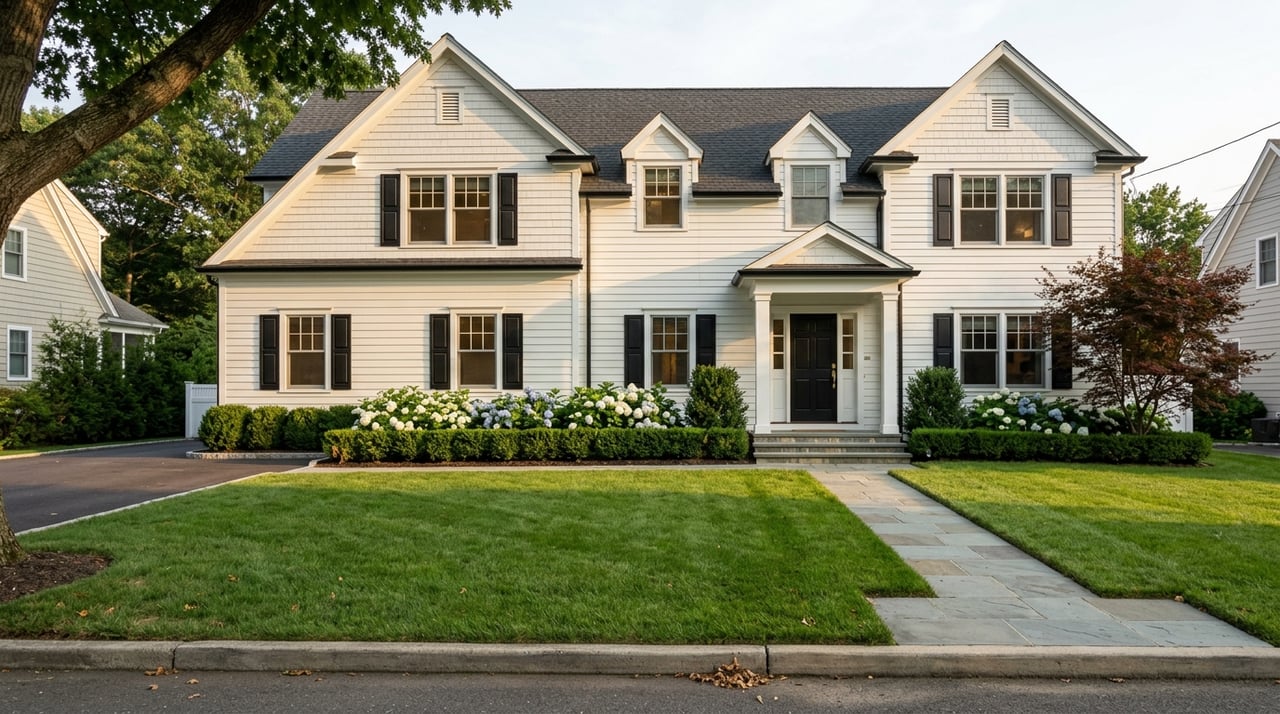
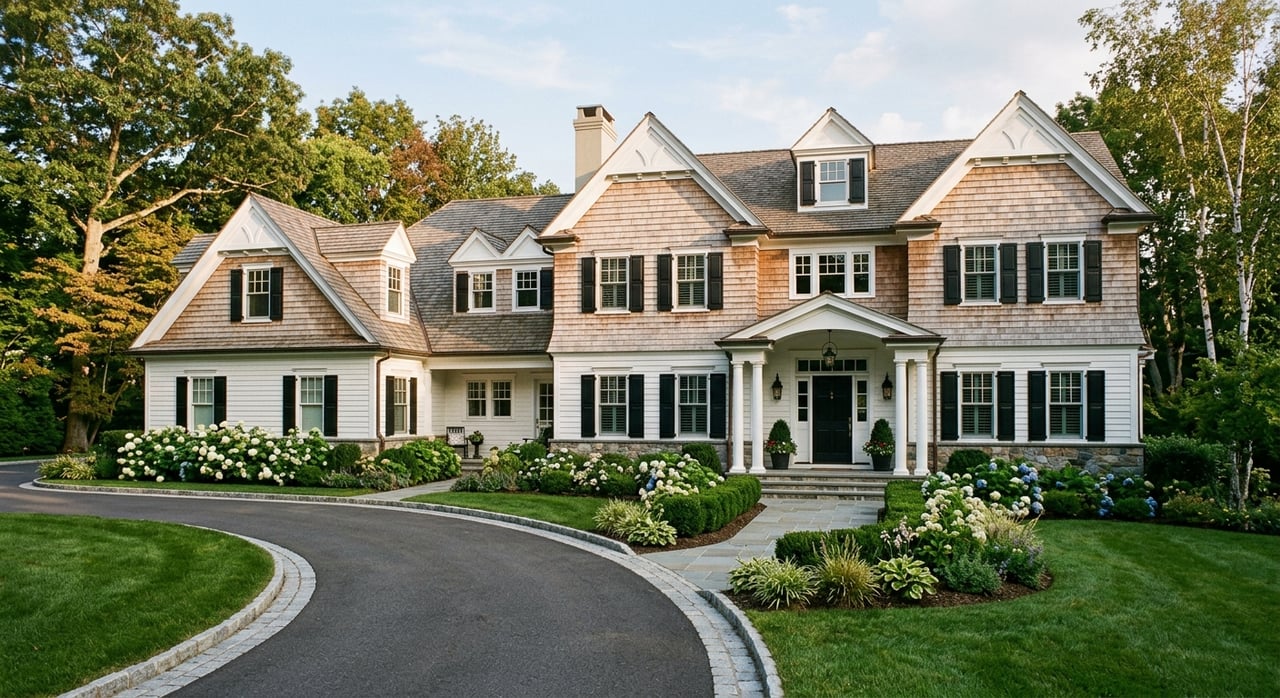
Garden City’s story is part of your home’s appeal. The village includes the A.T. Stewart Era buildings, a notable group of Stewart‑period homes and landmarks that give the community its character. You can reference the area’s history in your listing, and highlight period details like millwork, fireplaces, and tall ceilings. For background, see the overview of the A.T. Stewart Era Buildings.

Historic status is also practical. A National Register listing on its own does not usually restrict private owners from making changes. Local rules are what matter. In Garden City, the Building Department and the Architectural Design Review Board (ADRB) review many exterior projects. Before planning any visible updates, start with the Village Building Department to confirm permit and review needs.

Know your disclosures

New York requires most sellers of 1–4 family homes to deliver a completed Property Condition Disclosure Statement before a buyer signs a binding contract. Use the state form and answer from your actual knowledge. You can review the official Property Condition Disclosure Statement to understand what is asked.

Recent updates added flood risk and insurance questions to the form. That means buyers will expect clarity about flood history and any coverage. You can see the legislative summary of these changes on the New York State Senate site.

If your home was built before 1978, federal lead‑paint disclosure also applies. You must provide the EPA lead hazard pamphlet, share any known lead records, and give buyers the chance to test unless they waive it. Learn more about the rule on the EPA’s lead disclosure page.

Bottom line: complete your disclosures early and accurately. It builds buyer confidence and prevents last‑minute contract disputes.

Check permits and village review

Garden City has a disciplined permitting process. Many exterior changes, structural work, and system upgrades require permits and, in some cases, ADRB review. If a past owner completed work without permits, you may need to address it before closing. Confirm requirements and timing with the Village Building Department so you can plan repairs and the listing launch in the right order.

If your home is part of a notable historic grouping, that is a marketing asset. It does not automatically restrict your ability to sell or maintain the property. Local rules and permits guide what is allowed, especially for visible exterior changes.

Fix what matters first

Older homes age gracefully, but buyers will worry about a few common issues. Focus on safety, code, and insurability before you think about cosmetic updates.

  • Electrical: Knob‑and‑tube wiring and antiquated panels can trigger insurance or lender concerns. Insurers often require remediation or exclusions. An electrician’s evaluation, repair quotes, or targeted upgrades can reduce friction. Read more about typical coverage constraints in this overview of knob‑and‑tube and insurance.
  • Fuel oil and tanks: The disclosure form asks about present or past tanks and any leaks. If a tank was removed, keep your removal and soil reports handy. For context on why regulators take tank releases seriously, see the EPA’s page on cleaning underground storage tank releases.
  • Water, roof, and chimneys: Buyers fear active leaks more than older finishes. Address roof flashing, chimney mortar, and any basement seepage. Document repairs and dates.
  • Environmental items: Asbestos, lead plumbing, and radon show up in the disclosure form. Share prior reports if you have them, or mark unknown and encourage buyer testing. The PCDS is your guide; review the state form to see the exact questions.

A simple rule: handle items that affect safety, permits, and insurance first. Then move to presentation.

Prep smart, not major remodels

You do not need a full renovation to sell well. Buyers pay for clean, well‑presented spaces and clear information. Small, targeted updates usually deliver better returns than large structural projects.

  • Curb appeal, paint, lighting, and staging create strong first impressions. Data from the National Association of Realtors shows staged homes help buyers visualize and can shorten time on market. Explore the NAR overview of staging and buyer behavior.
  • Minor refreshes often recoup more than upscale overhauls. A modest kitchen update, new counters, or an entry upgrade can outperform major renovations on return. See high‑level Cost vs. Value insights in this remodeling ROI summary.

Here is a practical, budget‑tiered approach:

  • Zero or minimal cost: declutter, deep clean, trim landscaping, service the boiler, replace smoke and CO detector batteries, and touch up exterior paint.
  • Low cost (often under $5k): neutral interior paint, updated entry hardware and lighting, partial staging for main rooms, refreshed front door.
  • Mid cost ($5k–$30k): cabinet refacing or painting, new counters, a focused bath refresh, and a simple landscaping lift.
  • Major projects: only consider if local comps and an appraisal path suggest you can recoup the spend.

Price and present for today’s buyers

Historic homes can command a character premium, but the buyer pool may be narrower. Smart pricing matters. When a home is truly unique, appraisers rely on careful comparable selection and adjustments for period features. For a sense of the appraisal approach with historic properties, review this overview of historic home appraisal challenges.

You can reduce appraisal and financing risk by preparing a clean disclosure packet. Include your completed PCDS, any inspection reports you choose to share, recent invoices, and permits or certificates of occupancy/completion. Pair this with polished photography and simple, modern staging to let buyers see both character and livability.

Your low‑stress action plan

Follow this sequence to prevent surprises and keep momentum.

  1. Download the New York PCDS and start completing it now. Gather permits, warranties, and test reports you can attach. Use the official state disclosure form as your checklist.
  2. Order a pre‑listing home inspection and, for older systems, schedule targeted specialists if needed. Decide what to fix, disclose, or price around.
  3. Tackle safety, code, and insurability items first. Create a paper trail of licensed work and closed permits.
  4. Invest in high‑impact presentation: curb appeal, neutral paint, lighting, and staging of the living room, kitchen, and primary bedroom. NAR research shows staging influences buyer perception; see staging insights.
  5. Assemble a buyer‑ready disclosure packet: completed PCDS, any inspection summary you will share, lead documents for pre‑1978 homes, permit and CO papers, and contractor receipts.
  6. Set a pricing strategy with Garden City comps and a historic‑home‑savvy plan. Consider a pre‑list appraisal if your property is one‑of‑a‑kind.

Quick disclosure checklist

Use the New York PCDS to guide your file. For historic Garden City homes, be ready to address:

  • Flood risk and insurance history and coverage.
  • Fuel oil tanks: current or past, locations, and any leaks; include removal and remediation records.
  • Roof and chimney age, repairs, and any active leaks.
  • Basement water: seepage, drainage fixes, and dates.
  • Electrical: presence of knob‑and‑tube or panel updates; any insurer notes.
  • Asbestos, lead plumbing, and radon: share reports if you have them or mark unknown.
  • Permits and CO: status of prior work, final inspections, and any open permits.
  • Additions or finished spaces: whether permits and COs exist.

Selling a historic Garden City home should feel orderly and predictable. With clear disclosures, focused fixes, and polished presentation, you can protect value without a major renovation. If you want a project‑managed path from prep to closing, connect with Annie Holdreith to request a personalized valuation & launch plan.

FAQs

What is the New York Property Condition Disclosure Statement for sellers?

  • It is a required form for most 1–4 family sales that you must give a buyer before they sign a binding contract; it covers condition, environmental items, flood, systems, and more.

Do Garden City historic homes need special permits for exterior work?

  • Many visible exterior changes require permits and may need ADRB review; always confirm scope and timing with the Village Building Department before starting work.

How do I handle a buried or removed oil tank when selling?

  • Gather documentation now, including removal reports and soil testing if a tank was taken out, and disclose history on the PCDS so buyers and lenders can assess risk.

What if my Garden City home has knob‑and‑tube wiring?

  • Get a licensed electrician’s evaluation and be ready to show estimates or completed work; some insurers restrict coverage unless remediation is done.

Is staging worth it for a historic Garden City home?

  • Yes, targeted staging helps buyers see function and scale alongside original details, which can shorten days on market and support stronger offers.

Work With Annie

In a competitive real estate market, Annie is the Trusted Real Estate Advisor who will guide you to success. When you work with her, you have a calm, respected, seasoned professional with a proven track record by your side every step of the way.