If you have been touring homes around Glen Head and wondering, “Is this a Colonial, a Split, or a Ranch?” you are not alone. On Long Island’s North Shore, the mix of early 20th‑century houses and mid‑century builds can make style identification tricky. When you understand the layout, ceiling heights, and storage each style offers, you can pick the right fit for your daily routine and future resale. This guide gives you quick visual cues, practical living insights, and smart staging and renovation tips for Glen Head and nearby villages. Let’s dive in.
Quick style ID in Glen Head
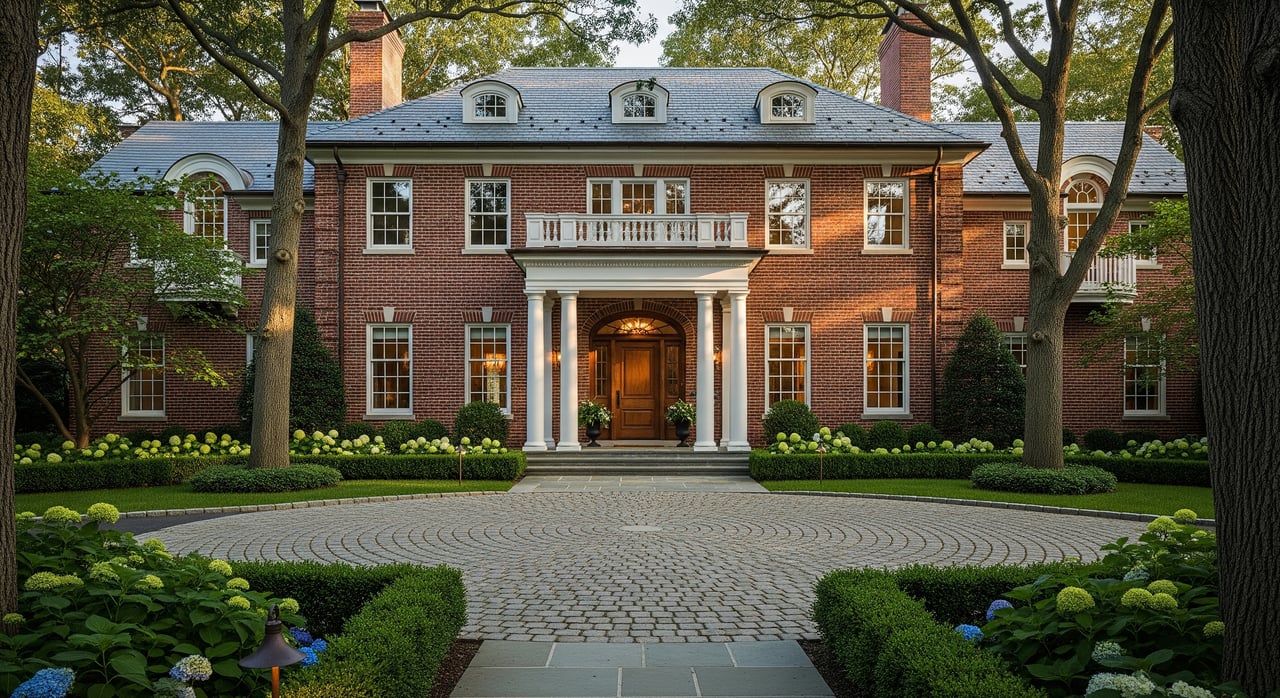
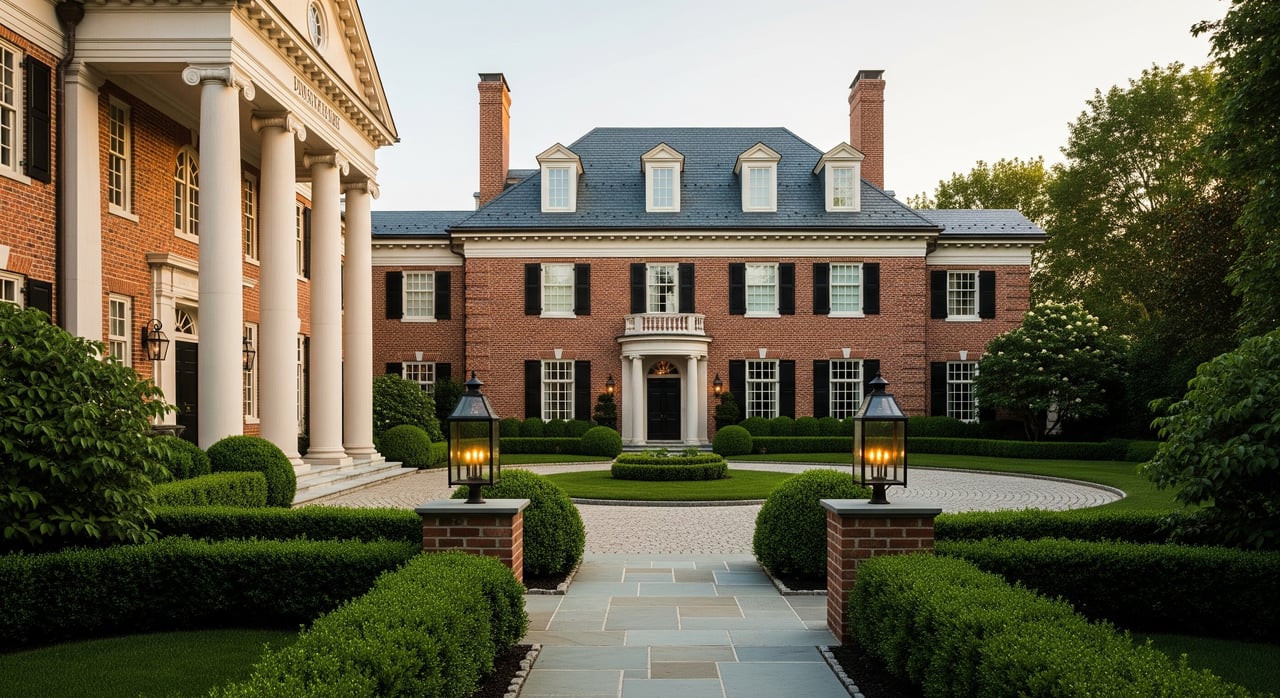
Colonial (Colonial Revival)
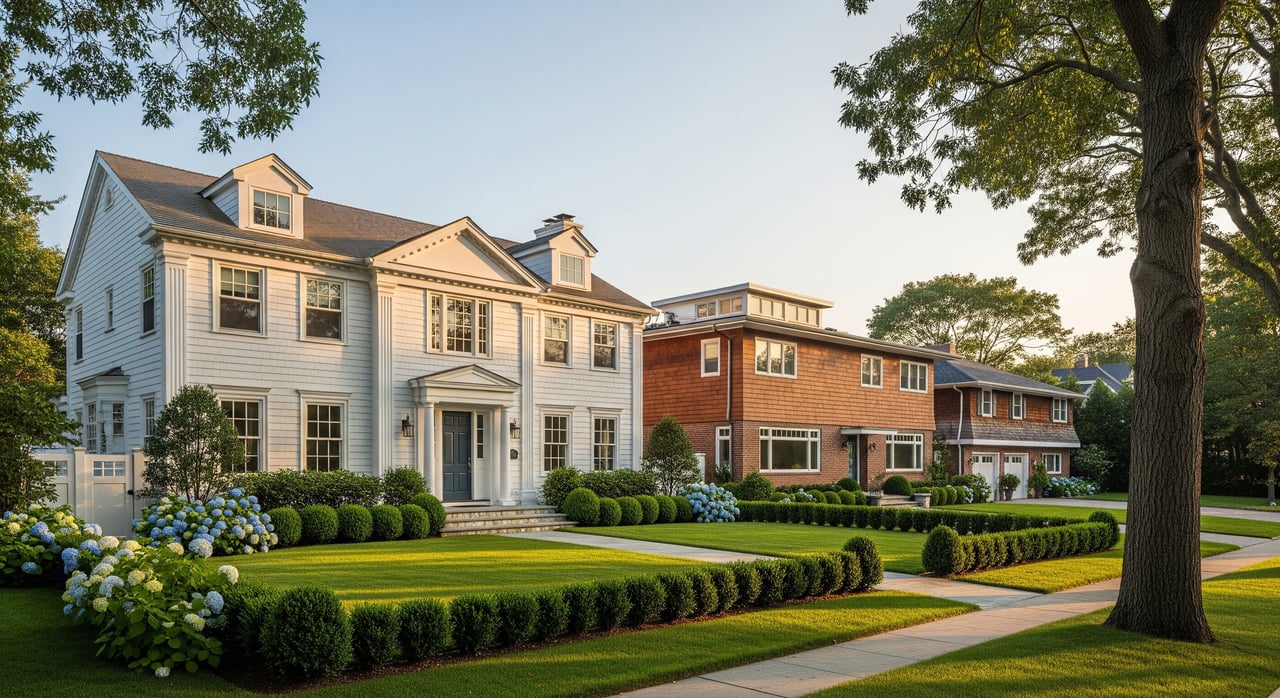
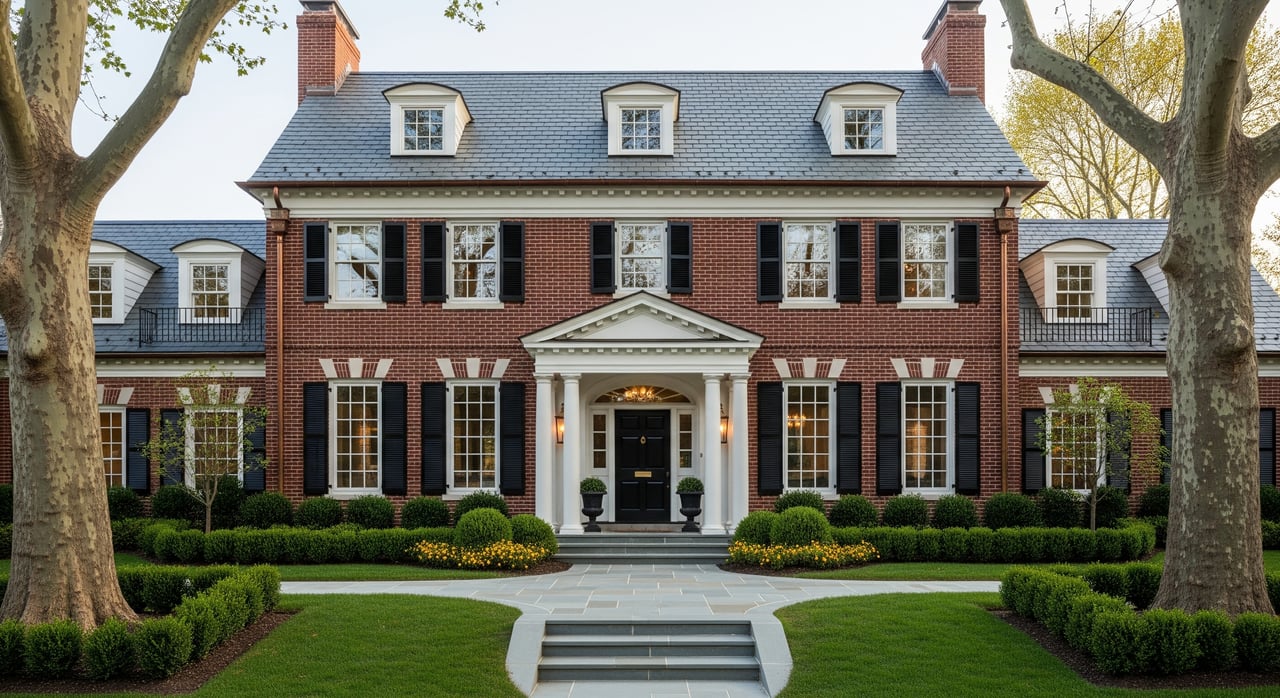
- Exterior quick read: Two full stories with a symmetrical front, a centered door with a small portico or pediment, and evenly spaced double‑hung windows. Roof is often side‑gabled; dormers are possible.
- Interior layout: Center‑hall plan with formal living and dining rooms on either side of the entry. Bedrooms are upstairs with a basement below.
- Daily living feel: Clear room separation is great for defined zones like a home office or music room. Stairs separate living and sleeping areas, which some buyers prefer for privacy.
Ranch
- Exterior quick read: Single story with a long horizontal profile, broad eaves, and often an attached garage. Large picture windows are common.
- Interior layout: One‑level living with kitchen, living, and bedrooms on the same floor; many have basements.
- Daily living feel: Easy accessibility and fewer stairs make daily routines simpler. Deep plans can introduce long corridors, so lighting and sightlines matter.
Split‑Level
- Exterior quick read: Staggered rooflines and grade changes that hint at multiple interior levels. A garage or lower level may be integrated into the front elevation.
- Interior layout: Short flights of stairs connect several zones, such as living spaces half a level up, bedrooms another half up, and a family room or garage a half level down.
- Daily living feel: Naturally zoned spaces work well for privacy and noise control. Some levels may have lower ceilings and can feel more segmented for buyers who want open flow.
What North Shore context means for these styles
Glen Head sits in the Town of Oyster Bay on the North Shore, with an Oyster Bay branch LIRR station nearby. The area’s older housing stock includes many Colonial Revival homes along with postwar Ranches and Splits, which shapes renovation choices and inspection priorities. Village or hamlet zoning, and in some nearby areas historic districts, influence exterior changes and additions.
Before you plan updates, confirm utilities and permits. PSEG Long Island is the regional electric provider and natural gas service in Nassau County is commonly via National Grid. Exterior changes, additions, and demolitions require Town of Oyster Bay permits, and some villages have historic preservation oversight. Verify sewer or septic for the specific parcel and review FEMA flood maps, since basements and first floors are sensitive to flooding on Long Island.
Older systems are common in this area’s homes. Expect inspections to evaluate heating systems that may include older oil boilers, electrical panels and wiring types, window condition, and moisture management in basements. Garage and driveway parking are strong positives for many NYC relocators.
Layout and ceilings: how they shape daily life
Zoned vs open plans
- Colonials and Split‑Levels offer natural room separation that supports quiet offices, homework spaces, and formal dining.
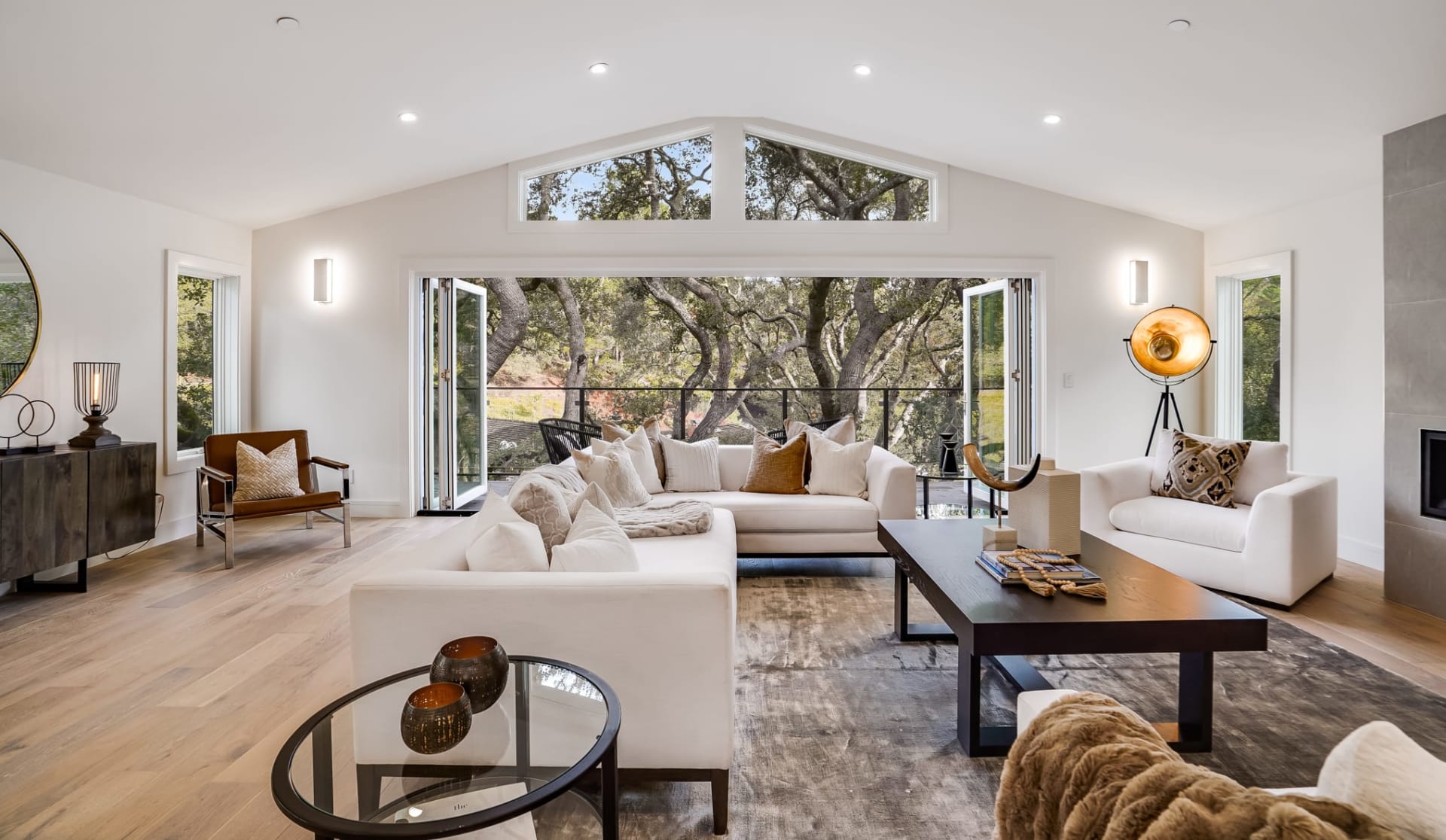
- Ranches, and renovated Colonials, can deliver more open sightlines between the kitchen and family room. This is popular with buyers who want easier entertaining and child supervision.
- Removing walls to open a plan requires structural review and permits, and costs more than cosmetic updates.
Ceiling heights and perception
- Higher ceilings feel larger and can boost perceived value. Many mid‑century homes have about 8‑foot ceilings, and some lower levels or basements may be less.
- Raising ceilings is expensive because it involves structure and rooflines. Lighting, paint, and trim strategies are cost‑effective ways to make spaces feel taller.
- Low basement ceiling height can limit finishing options without excavation. If you plan a bedroom, confirm egress and code compliance.
Storage and parking
- Older homes often have smaller closets. Smart add‑ons include closet systems, built‑ins, and reconfiguring adjacent rooms to create a walk‑in.
- Attic potential varies by style. Colonials and some Ranches offer ample attic storage, while Capes (common nearby) often use dormers to create headroom.
- Garage and driveway parking are high‑value features for North Shore buyers and NYC relocators.
Accessibility and aging‑in‑place
- Ranches naturally support single‑level living.
- Colonials and Split‑Levels can be adapted with a first‑floor full bath or a main‑level bedroom addition, but those changes require design work and permits.
Indoor‑outdoor flow
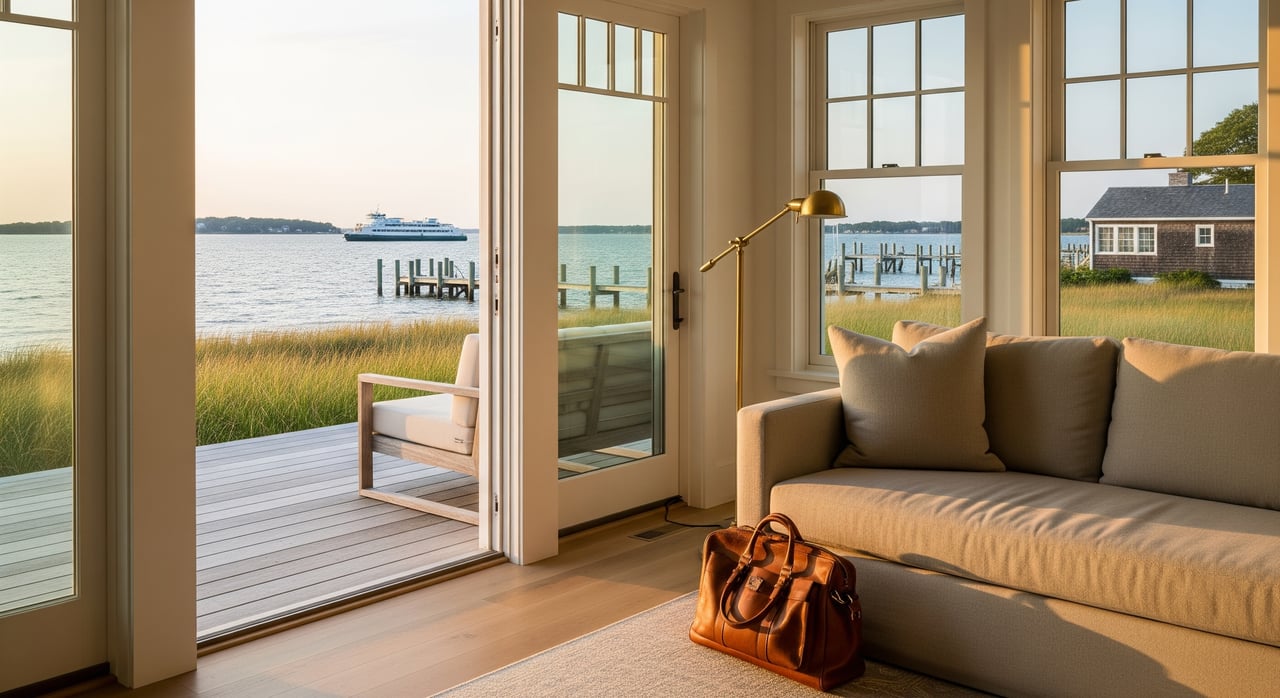
- Many buyers relocating from the city expect a patio or deck off the kitchen or family room. Traditional Colonials may need a kitchen rework or rear addition to create that connection.
Staging and updates by style
Colonial: polish the classic plan
- Staging starters: Showcase the formal entry and clean circulation between living and dining. Use scaled furniture to define each room without crowding.
- Low‑cost updates: Refinish wood floors, brighten trim and doors with repainting, and update key lighting.
- Higher‑impact ideas: Open the rear wall between the kitchen and a family room for better flow, or design a first‑floor bedroom suite. These projects often involve load‑bearing walls and require structural review and permits.
Ranch: refine flow and light
- Staging starters: Use rugs and furniture groupings to define living, dining, and work zones. Highlight the ease of one‑level living.
- Low‑cost updates: Consider a sliding glass door to a patio where appropriate, and refresh the kitchen with new hardware or backsplash.
- Higher‑impact ideas: A full kitchen remodel can transform daily living. Finishing a dry basement with proper egress adds flexible space for guests, play, or fitness.
Split‑Level: clarify zones and brighten
- Staging starters: Use a consistent color palette across levels to unify the home. Stage the lower level as a rec room or office to show function.
- Low‑cost updates: Add lighting in darker areas and replace dated paneling with lighter finishes to lift perceived ceiling height.
- Higher‑impact ideas: Reconfiguring levels for an open concept or taller ceilings can be complex and costly, but targeted structural changes can improve flow where it matters most.
Renovation costs and permits: what to expect
- Cosmetic refreshes: Painting, floor refinishing, and updated fixtures are lower cost and offer quick impact.
- Kitchens and baths: Moderate to high cost with strong buyer appeal, especially kitchens that improve circulation and natural light.
- Structural changes: Removing load‑bearing walls, adding dormers, or expanding the footprint are high cost and require a structural engineer, permits, and sometimes variances for setbacks.
- Basement finishing: Moderate if the space is dry, code‑compliant for egress, and equipped with sump or drainage where needed.
- Systems upgrades: Electrical, heating, windows, and insulation improvements vary in cost but are common in North Shore homes. Modern, energy‑efficient systems can be a selling point, including conversions from older oil systems where utility service allows.
Before you commit, plan a permit path with the Town of Oyster Bay Building Department and confirm any village historic requirements. Coordinate early with utility providers for electric and gas service questions, and verify sewer or septic details with the appropriate local departments.
Buyer and seller checklists for Glen Head homes
Style and structure
- Identify the style from exterior cues, then confirm inside by layout and stair locations.
- Look for signs of past additions or dormers and how they connect to the original structure.
Systems and envelope
- Check roof age and flashing at dormers. Review attic insulation and ventilation.
- Confirm heating type and fuel, panel capacity, and wiring type. Assess window condition.
Basements and storage
- Evaluate moisture control, sump systems, and ceiling height if finishing is a goal.
- Inventory storage: closets, attic access, garage organization, and mudroom potential.
Site and lifestyle
- Verify driveway and garage capacity, and how indoor‑outdoor flow works from the kitchen.
- Consider commute options from Glen Head on the LIRR Oyster Bay branch.
What about Capes nearby?
While this guide focuses on Colonial, Ranch, and Split‑Level homes, you will also see Cape‑style houses in nearby North Shore neighborhoods. Capes often have compact main floors with sloped‑ceiling bedrooms upstairs, and dormers are a common way to add usable space. If you like cozy rooms and do not mind angles, a dormered Cape can be a smart alternative.
The bottom line for North Shore buyers and sellers
If you want open entertaining space with fewer stairs, a Ranch or renovated Colonial may fit best. If you prefer defined rooms and private bedroom levels, look closely at Colonials and Split‑Levels. Across all styles, ceiling height, storage, and the path to permits will shape your budget, timeline, and eventual resale.
You do not have to navigate these choices alone. A local advisor who understands Glen Head’s housing stock, permitting, and buyer expectations can help you prioritize the right updates and position your home for a strong result. If you are comparing styles or planning a sale, reach out to Annie Holdreith for a tailored plan that aligns with your goals.
FAQs
What defines a Colonial vs a Ranch in Glen Head?
- A Colonial is typically two full stories with a center‑hall plan and bedrooms upstairs, while a Ranch is one story with living and bedroom spaces on the same level.
How do Split‑Levels function for daily living?
- Split‑Levels use short stair runs to separate zones, which helps with noise and privacy but can feel more segmented if you prefer an open concept.
Are low basement ceilings a dealbreaker for finishing space?
- Not always, but low heights can limit bedroom use without excavation; confirm egress and local code before planning a finished basement.
Which style is best for aging in place on the North Shore?
- Ranch homes are the easiest for single‑level living, while Colonials and Splits can be adapted with a main‑level full bath or bedroom addition.
What inspections are smart for older North Shore homes?
- Order a general home inspection, pest/termite, HVAC/heating evaluation, chimney review if present, sewer scope, and testing for lead paint or asbestos where appropriate.