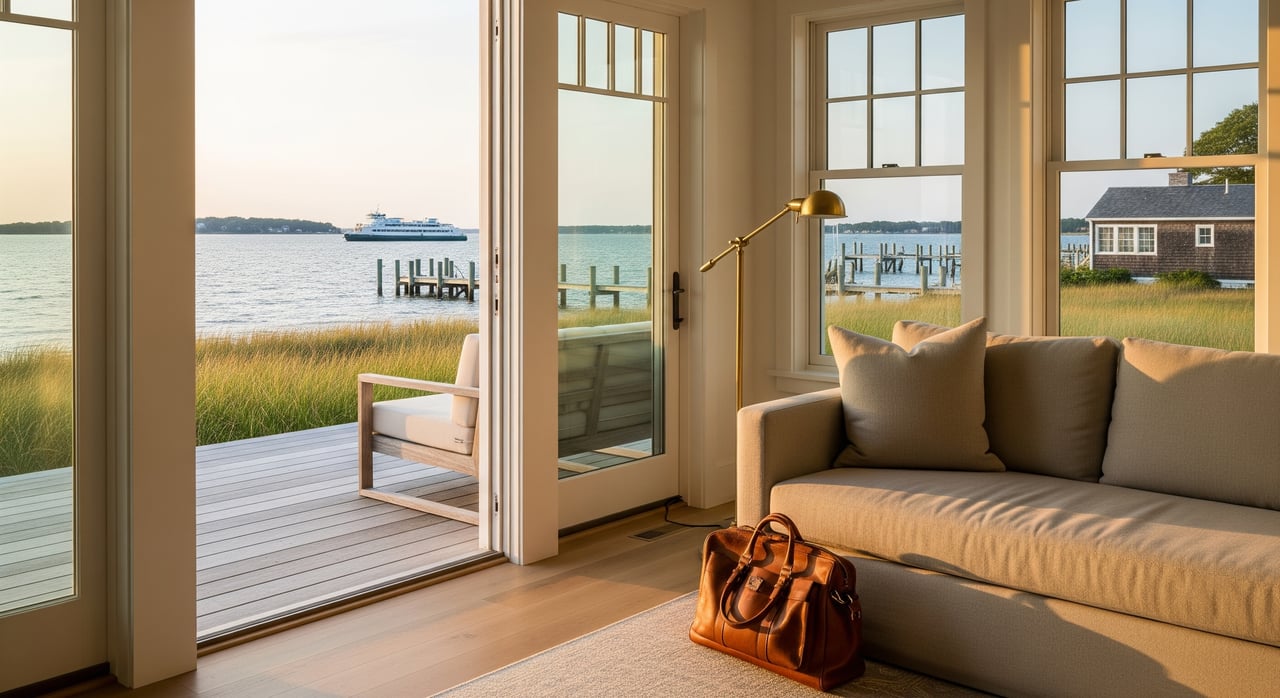
Port Washington LIRR Commute Tips for NYC Home Buyers
Is your daily NYC commute the make-or-break factor in your Port Washington home search? You are not alone. Many buyers choose this North Shore community for its direct Long Island Rail Road access to Midtown and a balanced suburban lifestyle. In this guide, you will learn how the Port Washington Branch runs, typical travel times, peak windows, parking realities, fare options, and what to look for in a home if you want a smoother door-to-desk routine. Let’s dive in.
The LIRR Port Washington Branch serves northeastern Nassau County and runs directly to Manhattan terminals. Many trains go to Penn Station, and many also go to Grand Central Madison. Some are express or semi-express, while others make all local stops. You will also see some trips that require a transfer, often at Woodside, especially late at night or when connecting to other branches.
The opening of Grand Central Madison created a direct Midtown East option beginning in 2023. If your office is on the East Side, this can shorten door-to-desk time and reduce transfers compared with older patterns that led only to Penn Station. For the best fit, compare schedules to both Manhattan terminals and consider your walk or subway connection on the Manhattan side.
Off-peak service is less frequent than peak. Reverse-peak trains exist, but they are not as frequent as peak-direction service. Late nights and weekends have fewer trains and longer intervals. If your schedule is early, late, or variable, confirm that the specific times you need have direct trains. Otherwise, plan for transfers.
From Port Washington to Midtown Manhattan, direct trains typically take about 30 to 45 minutes. Your exact time depends on the train you choose, whether it is express or local, the time of day, and whether you are heading to Penn Station or Grand Central Madison. Always check current LIRR timetables or the trip planner before you commit to a routine.
For planning, use these typical windows:
Port Washington’s station sits in the downtown area, which makes it a natural hub for the community. You will find typical suburban LIRR amenities such as ticket machines, waiting areas, platform shelters, and often bike racks. Hours, amenities, and accessibility features can vary, so check the MTA station page for current details if you rely on specific services.
Commuter parking around many suburban LIRR stations includes municipal permit lots, metered areas, and some daily-paid spaces. Permit programs often have rules or waitlists. Many buyers walking distance to the station skip parking entirely, while others plan for drop-off routines. If you intend to drive and park, confirm the permit rules, availability, and fees with local municipal sources before you buy.
If you have mobility needs, confirm ADA access, elevator availability, and the path from nearby streets or parking lots. Lighting, cameras, and peak-hour crowds affect comfort and perceived security. Visit the station at the exact times you would travel to see how it feels.
You can purchase tickets through the MTA eTix app, station machines, or at staffed ticket windows when open. Options usually include single-ride, round-trip, weekly, and monthly tickets. Offerings can change, so review current products and rules before you decide.
LIRR uses zone-based fares, and Port Washington sits in a defined fare zone with different prices for peak and off-peak. Monthly passes can reduce the per-ride cost if you commute regularly. If your schedule allows, traveling off-peak can save money and reduce crowding.
Do not stop at the train fare. Include:
Homes within a 5 to 15 minute walk of the station tend to command a premium for convenience. The tradeoff is that central locations may offer smaller lots or higher prices than outlying neighborhoods. Decide how much you value walking in winter or after dark. Test the actual walking route for sidewalks, lighting, and crossings.
Study the schedules for the times you plan to travel most often. If you need a seat during the morning peak, you may prefer a train with fewer prior stops or be willing to arrive a bit earlier. If you are flexible about standing or leaving earlier, you will have more options.
Living within a block of the tracks can bring audible horns, vibration, and more frequent train noise. Some buyers accept this for convenience, others do not. Visit any rail-adjacent property during peak periods to understand the impact before you decide.
Properties with short, reliable access to the station often draw stronger demand from future buyers. With the addition of Grand Central Madison, many East Side commuters consider Port Washington even more practical. That convenience can support resale appeal over time.
Before you finalize a purchase or move-in date, do the following:
Finding a Port Washington home that complements your commute is part planning, part lifestyle fit. When you understand the Port Washington Branch, peak windows, parking options, and fare choices, you can narrow your search to the blocks and home types that make every weekday simpler.
If you want a local, systems-driven approach to your search, with clear guidance on walkability, parking, and schedule alignment, connect with Annie Holdreith. You will get practical, neighborhood-specific advice and a plan that fits your timeline and commute.
Stay up to date on the latest real estate trends.


In a competitive real estate market, Annie is the Trusted Real Estate Advisor who will guide you to success. When you work with her, you have a calm, respected, seasoned professional with a proven track record by your side every step of the way.
Annie Holdreith
[email protected]
516.509.4082
License #10301201745
364 Plandome Rd Manhasset NY 11030