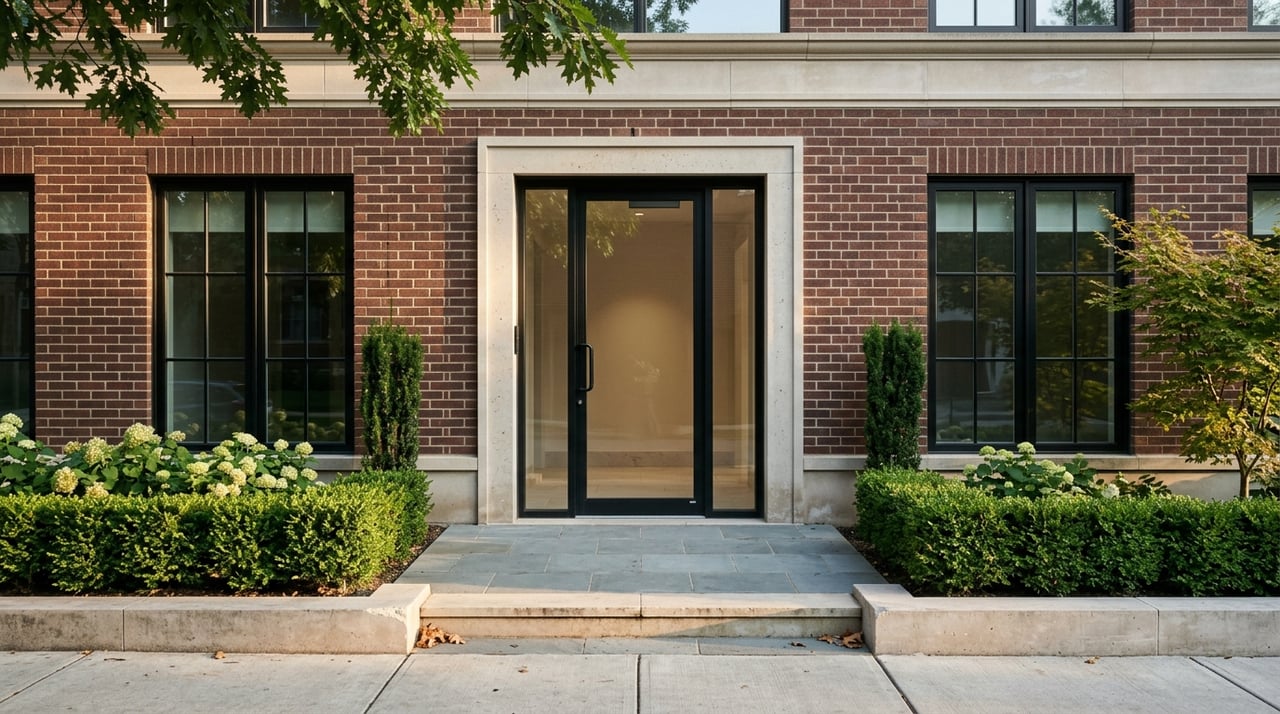
Comparing Port Washington Condos, Co-Ops, and Houses
Wondering whether a condo, co-op, or house makes the most sense in Port Washington? You are not alone. In a market where listing prices can stretch from the hundreds of thousands into the low seven figures and beyond, choosing the right property type is just as important as choosing the right address. This guide will help you compare how each option works, what ownership really means, and what to review before you make a move. Let’s dive in.
Port Washington is a hamlet in the Town of North Hempstead in Nassau County, and it offers a mix of property types that appeal to different goals and lifestyles. Current listing examples show condos, co-ops, and detached houses all actively represented in the local market.
Recent listing snapshots suggest co-ops can appear around $400,000, condos can range from about $628,000 to $2.1 million, and detached homes often sit in the low seven figures. These are not market medians, but they do show the range you may encounter as you search.
The broader market also reflects a high-value ownership environment. Realtor.com shows a median listing home price of $1.2 million and 24 median days on market, while Census QuickFacts reports a 76.9% owner-occupied housing rate and a median value of owner-occupied housing units of $1,003,200.
For many buyers, commute access is part of the equation too. The MTA identifies Port Washington station as accessible, and branch service information shows riders connecting to Manhattan through Grand Central Madison and Penn Station patterns.
The biggest difference between condos, co-ops, and houses is not just style. It is the legal structure of what you own and how decisions are made around the property.
When you buy a condo, you own your individual unit and also hold an undivided interest in the building’s common elements. In New York, the Attorney General regulates condo offerings and recommends reading the full offering plan before signing.
This structure often appeals to buyers who want private ownership of a unit without taking on all exterior maintenance alone. In Port Washington, recent condo examples have included properties on Pond View Drive and Harbor View Drive.
A co-op works differently. Instead of owning real property in the same way as a condo owner, you buy shares in a corporation, and those shares are tied to a specific apartment through a proprietary lease.
Co-op owners also pay maintenance charges based on share allocation. The co-op board operates under bylaws, the proprietary lease, and house rules, so the governing documents matter in a very real way. In Port Washington, recent co-op examples have included Madison Park Gardens and Toms Point.
When you buy a detached house, you are generally responsible for the property’s maintenance and repairs. That can include everything from small repairs to major items like roofing, systems, and exterior upkeep.
You also need to budget for property taxes, homeowners insurance, water, and utilities. Recent detached-home examples in Port Washington have included listings on Longview Road, Soundview Drive, Warwick Place, and Carlton Avenue.
Your purchase price is only one part of affordability. The way monthly costs are structured can shape how comfortable a property feels long after closing.
Condo owners usually pay fees directly to the association, and those fees are typically not included in the monthly mortgage payment. According to the Consumer Financial Protection Bureau, HOA dues can range from a few hundred dollars to more than $1,000 per month.
That means a condo with a lower purchase price than a house may still carry meaningful monthly expenses. You will want to compare your mortgage payment and your condo fees together, not separately.
Co-op owners also pay monthly charges, often called maintenance. HUD notes that co-op maintenance commonly covers operating expenses and the building’s underlying mortgage debt service.
That monthly structure can look very different from a condo or a house. If you are comparing options in Port Washington, the true side-by-side comparison should include financing terms, maintenance charges, and any building-specific obligations.
Houses do not automatically come with association fees, but that does not mean they are cheaper to carry month to month. Instead, more of the cost may show up in direct upkeep, repairs, insurance, taxes, and utilities.
For some buyers, that tradeoff is worth it because they want more independence. For others, the predictability of shared maintenance in a condo or co-op may feel easier to manage.
In Port Washington, the best choice often comes down to how you want to live day to day. The current listing mix shows all three property types in the market, so there is no one-size-fits-all answer.
A condo may suit you if you want an attached-home lifestyle with less exterior maintenance. It can also be a practical option if you value easier building upkeep and want to stay mindful of commute access to Manhattan.
You still need to understand the building’s rules, finances, and fees. But if you want a balance between ownership and shared maintenance, a condo may be the right starting point.
A co-op may appeal to you if you are comfortable with a more communal building structure and a rule-based ownership environment. Some buyers like the simpler physical footprint and the fact that maintenance responsibilities are often handled at the building level.
Because co-ops are governed by bylaws, a proprietary lease, and house rules, document review is essential. You should make sure the building’s framework matches your expectations before you commit.
A detached house may be the better fit if you want yard space, more storage, or more freedom around maintenance and updates. Many buyers who are moving from the city also appreciate the added sense of separation and control that a single-family home can offer.
That said, more control usually means more responsibility. If you prefer handling decisions directly and budgeting for upkeep yourself, a house may align better with your goals.
New York’s Attorney General is very clear that condo and co-op purchases carry significant legal and financial consequences. The office recommends reading the entire offering plan and consulting an attorney before signing a purchase agreement.
For existing buildings, the Attorney General also warns that board minutes, financial reports, and sponsor disclosures can reveal defects or expensive repairs. Buyers are encouraged to inspect building condition carefully and not assume older disclosure documents still reflect current conditions.
If you are looking at a condo or co-op in Port Washington, ask your attorney to help you review:
These documents can tell you a lot about how the property operates and whether major costs may be ahead.
No matter what you buy, verify the monthly cost structure with the right professionals. That is especially important when association dues, co-op maintenance charges, or share-loan structures affect affordability.
A practical checklist includes:
If you are weighing options, this quick overview can help frame the decision.
| Property Type | What You Own | Monthly Structure | Typical Tradeoff |
|---|---|---|---|
| Condo | Your unit plus interest in common elements | Mortgage plus association fees | More shared upkeep, less individual control |
| Co-op | Shares in a corporation tied to a unit | Mortgage or share-loan structure plus maintenance | Rule-based ownership and shared expenses |
| House | The home and property | Mortgage plus direct taxes, insurance, utilities, and upkeep | More autonomy, more responsibility |
This is where local guidance matters. On paper, two properties can look similar. In practice, the monthly carrying cost, document review, and daily lifestyle can feel very different.
Port Washington’s high owner-occupied rate and high housing values point to a stable, owner-occupant-heavy market with premium Long Island pricing. That makes clarity especially important before you buy.
If you are a Manhattan commuter, you may lean toward a condo, co-op, or house based partly on your train routine and how much maintenance you want to handle. If you are focused on space and autonomy, a detached home may rise to the top. If you want lower exterior responsibility, a condo or co-op may deserve a closer look.
The key is to compare the full picture, not just the list price. Ownership structure, monthly carrying costs, rules, and long-term maintenance all shape whether a property truly fits your life.
If you are weighing property types in Port Washington and want a clear, tailored strategy, Annie Holdreith can help you compare options, understand the tradeoffs, and move forward with confidence.
Stay up to date on the latest real estate trends.

In a competitive real estate market, Annie is the Trusted Real Estate Advisor who will guide you to success. When you work with her, you have a calm, respected, seasoned professional with a proven track record by your side every step of the way.

Annie Holdreith
[email protected]
516.509.4082
License #10301201745
364 Plandome Rd Manhasset NY 11030