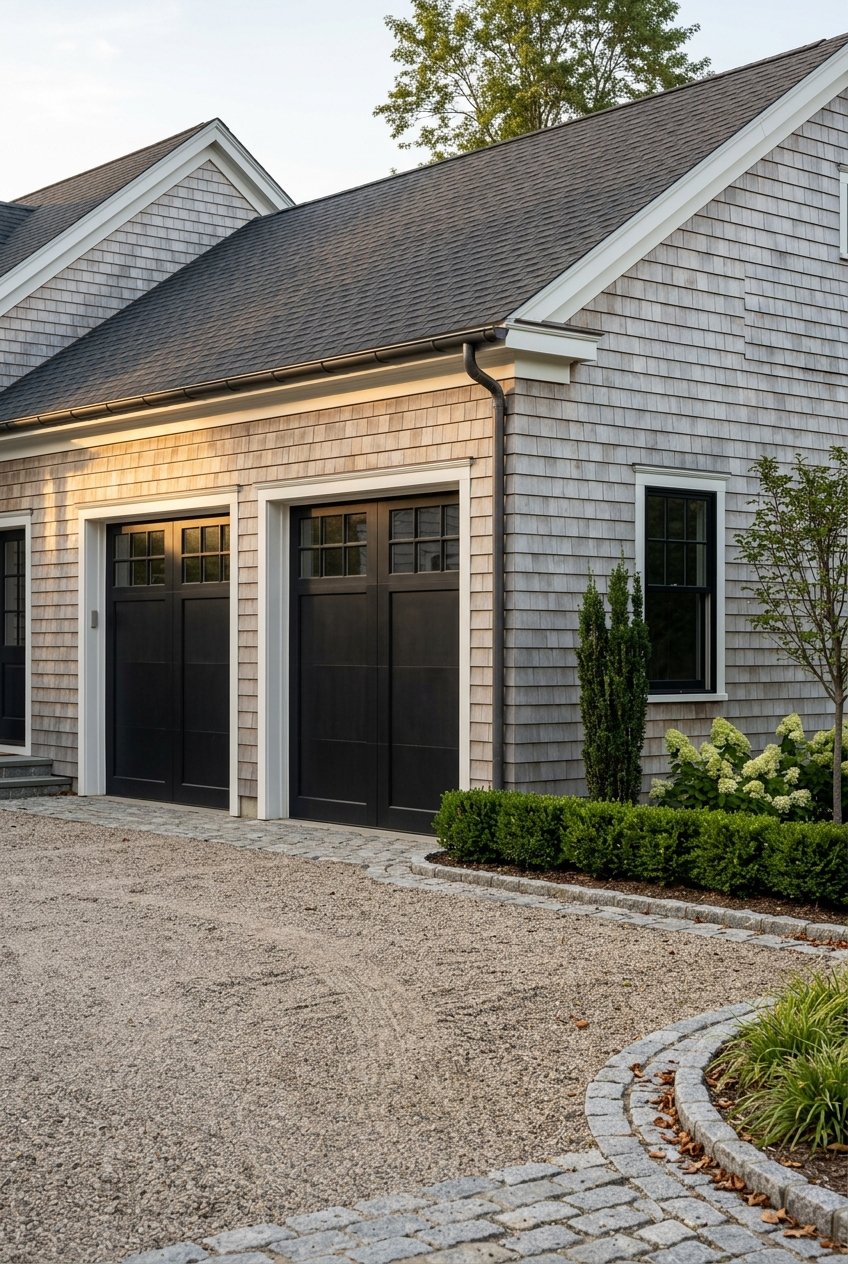
A Guide to Manhasset Neighborhoods and Housing Styles
Trying to make sense of Manhasset real estate from listing descriptions alone can feel harder than it should. One home is called a Munsey Park colonial, another is tagged Strathmore Village Tudor, and a third says near town or close to the train, even though all are in Manhasset. If you want to understand what those labels really suggest about housing style, setting, and daily routine, this guide will help you read the market with more confidence. Let’s dive in.
Manhasset is easier to understand as a group of named villages and local pockets than as one uniform housing market. According to the Manhasset Historical Society, buyers will see incorporated villages like Munsey Park, Plandome Heights, and Plandome, along with unincorporated pockets such as North Strathmore, South Strathmore, Strathmore Village, Strathmore Vanderbilt, Norgate, Shorehaven, Spinney Hill, and Terrace Manor.
That matters because a neighborhood name often tells you more than a ZIP code or mailing address. In Manhasset, the label on a listing can hint at street layout, home age, lot pattern, and how connected you may feel to shops, the train, or major roads.
Plandome Road is the main village-style corridor in Manhasset. Shop Manhasset describes it as the town’s main road, lined with family-owned businesses, restaurants, retail shops, coffee shops, real estate offices, and Mary Jane Davies Park across from Town Hall.
The local shopping district also includes more than 300 businesses. When you see listing language like walk to town, local errands, or village convenience, it usually points to this corridor and the surrounding streets rather than to all of Manhasset.
Northern Boulevard is also central to the Manhasset lifestyle, but it reads very differently from Plandome Road. Americana Manhasset sits at 2060 Northern Boulevard as an open-air retail center with more than 60 shops, and local coverage notes that parts of South Strathmore, Strathmore Village, and Strathmore Vanderbilt sit behind or between this retail fabric and its parking areas.
For you as a buyer, that means corridor-adjacent can have a very specific meaning here. Some homes may offer quick access to shopping and major roads, but the day-to-day setting may feel less tucked away than homes in more interior village pockets.
The Manhasset LIRR station adds another important layer to how listings are described. The MTA station map says the station has resident and non-resident parking, all parking facilities are operated by the Manhasset Park District, and there is no bus service at the station.
The Park District says commuter lots are on Manhasset Avenue near the station and across the tracks on Hillside Avenue, and that spaces are limited. So when a listing says near the train, it usually refers to this specific station area, not the whole hamlet.
Munsey Park is one of the clearest examples of a defined neighborhood identity in Manhasset. The National Park Service says the Munsey Subdivision was designed by Olmsted Brothers with curving, tree-lined streets, minimal highway access, five parks, and by 1930, an inventory of 162 homes in the Colonial Revival style.
The village history adds another useful detail for buyers comparing lot patterns. Its planned shopping center was created as a convenience district for residents, and later Callan homes were placed on lots with at least 8,000 square feet, while part of the earlier development used a 15,000-square-foot minimum.
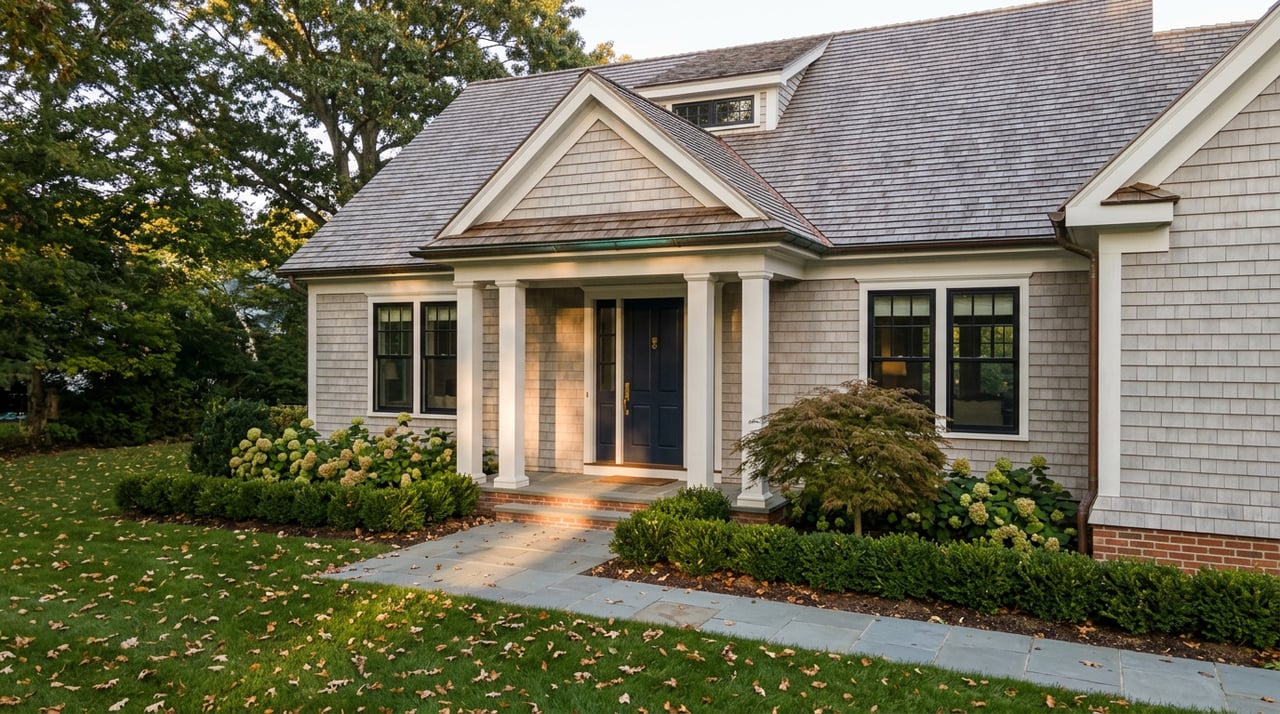
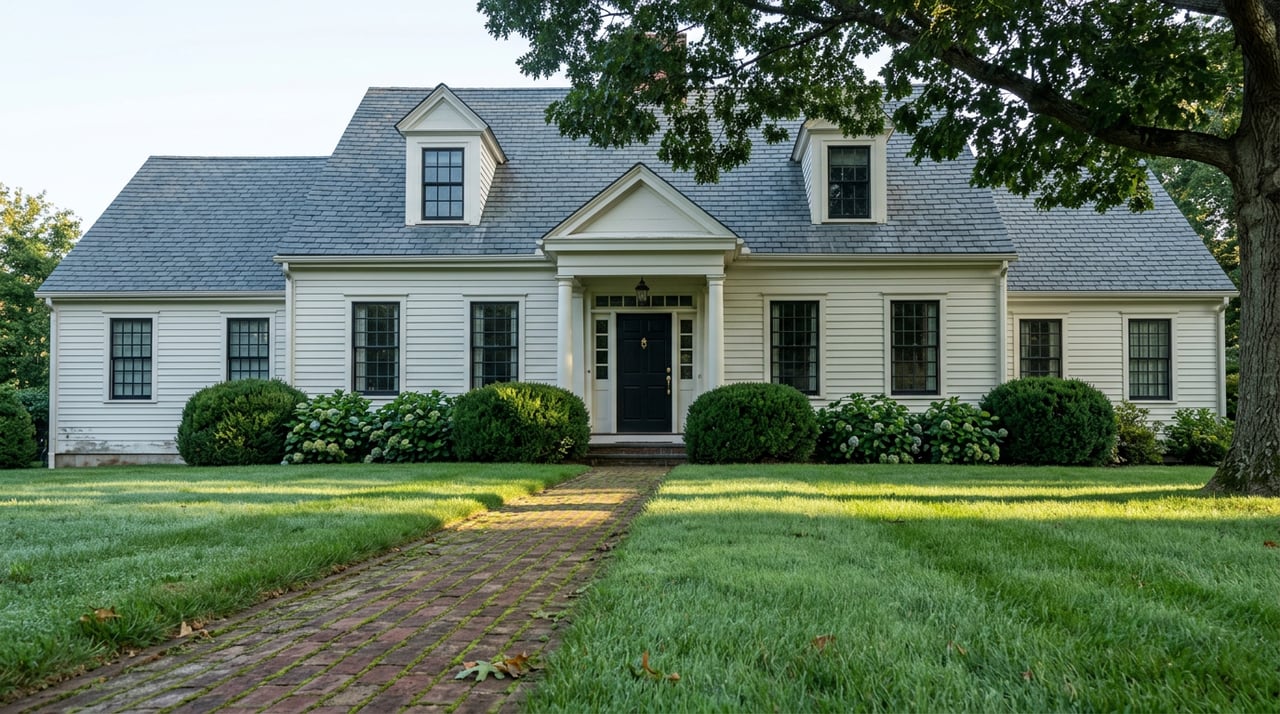
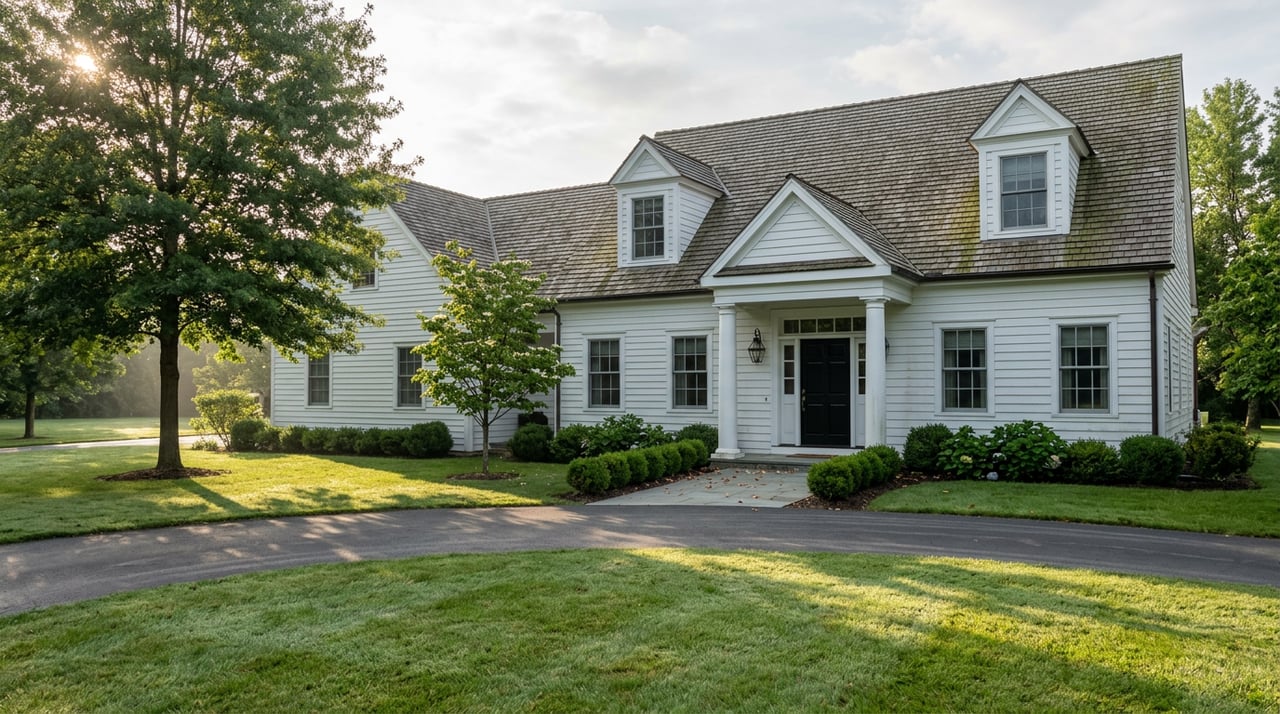
If you see a listing described as a Munsey Park colonial, you can usually expect a classic 1920s or 1930s Colonial Revival home in a more cohesive, internally residential setting. The appeal here often comes from the planned layout, tree-lined streets, and park-oriented design.
The Strathmore cluster includes North Strathmore, South Strathmore, Strathmore Village, and Strathmore Vanderbilt. Research sources identify these pockets as part of the 1930s developer-built wave that shaped much of Manhasset.
This is also where buyers often see one of the widest mixes of traditional 20th-century housing styles. Local coverage highlights Tudors as common throughout Manhasset and points specifically to Tudor examples in Strathmore Vanderbilt and Strathmore Village.
In practical terms, Strathmore often reads as older and architecturally rich, with more variation in lot size, placement, and access patterns than Munsey Park. If you are drawn to traditional homes with more visual character, these pockets are often where that search begins.
North and South Strathmore are part of the broader Strathmore grouping, so buyers should expect homes tied to Manhasset’s 1930s growth pattern. Depending on the exact street, the setting may feel more residential or more connected to nearby corridors.
This is where reading the block matters as much as reading the listing headline. Two homes with similar square footage can offer very different experiences based on how close they sit to through-roads, shopping areas, or more interior residential streets.
Strathmore Village and Strathmore Vanderbilt are especially useful names to recognize because they appear often in listing copy. When you see Tudor attached to one of these neighborhoods, it usually signals a traditional home with older architectural detail and a pocket that may sit closer to Northern Boulevard than more secluded sections of Manhasset.
That does not mean every home feels the same. It means the neighborhood name is giving you a clue about style, era, and the possibility of a more mixed street pattern.
Plandome Heights often shows up in searches alongside Manhasset listings, so it helps to know what the name suggests. The village’s official history says the 1930s Manhasset Cove plan called for colonial homes on lots of at least 9,000 square feet, and earlier local history references southern colonial homes and bay-adjacent properties.
For many buyers, that translates to a village setting with a quieter feel than the retail-edge pockets. If you are comparing convenience versus separation, Plandome Heights may lean more toward a lower-density feel and less toward immediate access to town-center activity.
Plandome Manor has its own distinct identity within the broader Manhasset market. Its official site describes a village incorporated in 1931 with 275 homes set among a nature preserve, a country-club golf course, and waterfront, giving it a distinctly rural character.
In listing terms, that often means a stronger sense of separation from busy commercial corridors. Buyers comparing Plandome Manor to central Manhasset or corridor-adjacent areas may find that the tradeoff is less walk-to-town convenience in exchange for a quieter, more scenic setting.
A few Manhasset phrases come up again and again, and they are worth translating carefully.
In Manhasset, walk to town usually points to the Plandome Road corridor. It suggests easier access to the downtown-style business district, errands, dining, and the village-center atmosphere associated with that stretch.
Near the train usually means proximity to the Manhasset LIRR station on the Port Washington Branch and the commuter parking areas on Manhasset Avenue and Hillside Avenue. Because parking is limited and there is no bus service at the station, this phrase can be especially relevant if your routine depends on rail access.
Close to shopping can mean two different things in Manhasset. It may refer to everyday convenience around Plandome Road, or it may point to the Northern Boulevard retail corridor, depending on the location and context of the listing.
Style labels are often neighborhood clues as much as architectural ones. Munsey Park is most closely associated with Colonial Revival homes, while the Strathmore pockets are often linked with Tudors and other traditional 20th-century styles.
If you are narrowing your search in Manhasset, it helps to compare more than price and bedroom count. The micro-neighborhood name can guide better questions about lifestyle fit.
Here are a few smart things to compare:
That kind of comparison can save time and sharpen your shortlist. In a market like Manhasset, two homes with similar specs can live very differently depending on the pocket they sit in.
Manhasset rewards buyers who look past the broad town name and pay attention to local geography. A listing’s neighborhood label often acts like shorthand for architecture, layout, convenience, and pace of life.
If you understand that shorthand, you can search more efficiently and visit homes with better expectations. That is especially helpful if you are relocating, balancing a commute, or deciding between a classic planned neighborhood and a more mixed, corridor-connected setting.
When you want help reading the fine points of Manhasset block by block, Annie Holdreith can help you compare neighborhoods, decode listing language, and build a search strategy that fits how you actually want to live.
Stay up to date on the latest real estate trends.
In a competitive real estate market, Annie is the Trusted Real Estate Advisor who will guide you to success. When you work with her, you have a calm, respected, seasoned professional with a proven track record by your side every step of the way.
Annie Holdreith
[email protected]
516.509.4082
License #10301201745
364 Plandome Rd Manhasset NY 11030