Garden City NY Sections: What Home Prices Really Buy
Open any portal and Garden City reads as a single line item. One village, one median, one number to plug into a mortgage calculator. That number is currently doing a lot of hiding.
The village is five recognized sub-sections, each with its own architecture, its own walk to the train, and its own price behavior. A buyer who anchors to the aggregate median is almost always mispricing the section they actually want, in one direction or the other.
Here is the friction that surfaces the moment a buyer starts writing offers.
As of June 2026, the median list price in Garden City sits at roughly $1.29M, with homes moving in a median of about 20 days. The most recent sale medians tell a different story: Redfin recorded a March 2026 median sale of $1.4M, up 17.4% year over year, and PropertyShark's Q4 house sale median came in at $1.5M, up 16.3% year over year. Homes.com pegs the June 2026 average sale price at $1,427,907 against that same $1.29M list median.
That is a $100,000 to $200,000 spread between what the portal shows and what homes are closing at. The spread is not evenly distributed. It is heavily weighted toward the sections where demand is deepest, which means a buyer using the village median as a budget ceiling is often shopping the wrong section entirely.
The median is a village-wide average. The transactions happen in five distinct micro-markets. Those are not the same statistic.
The Village of Garden City is commonly divided into the Estates, Mott, Central, Western, and Eastern sections. The names are not marketing. They correspond to different eras of development, different street grids, and different distances to a Long Island Rail Road platform.
The Estates is the wealthiest of the five and the section where sale prices most consistently outrun the village median. Lot sizes run large, homes commonly carry four to six bedrooms, and inventory skews to center-hall colonials on lots in the range of 80 by 100 or greater. Proximity to the Garden City Country Club is part of what supports pricing. The trade-offs are honest ones: the section sits in a JFK flight path, and residents cannot walk to the village retail core.
Recent listings in the Estates include a rebuild by Maxim Builders and new-construction center-hall colonials at 3,400-plus square feet with finished basements. When PropertyShark's Q4 house median hit $1.5M, transactions like these are the reason.
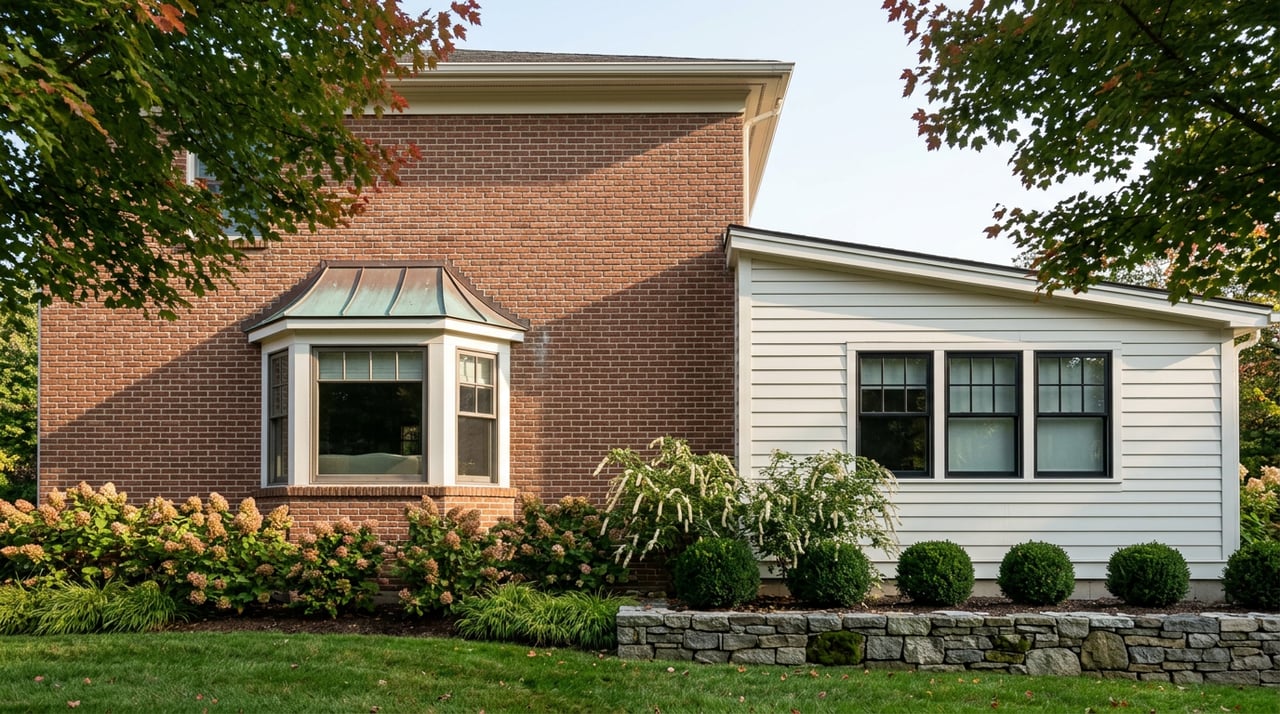
The Mott Section was developed by the heirs to the Mott's apple juice fortune. Its housing stock leans heavily to 1930s brick colonials, and its street pattern is one of the village's oddities: a series of parallel, semicircular streets connected by north-south crescents, rather than the grid that governs the rest of Garden City.
The financial argument for Mott is walkability to the Mineola LIRR station, which sits just over the border on the Main Line. A well-updated brick Mott colonial with roughly 3,400 square feet is currently the section's product-market fit for move-up buyers coming out of a Queens co-op or a smaller Nassau starter.
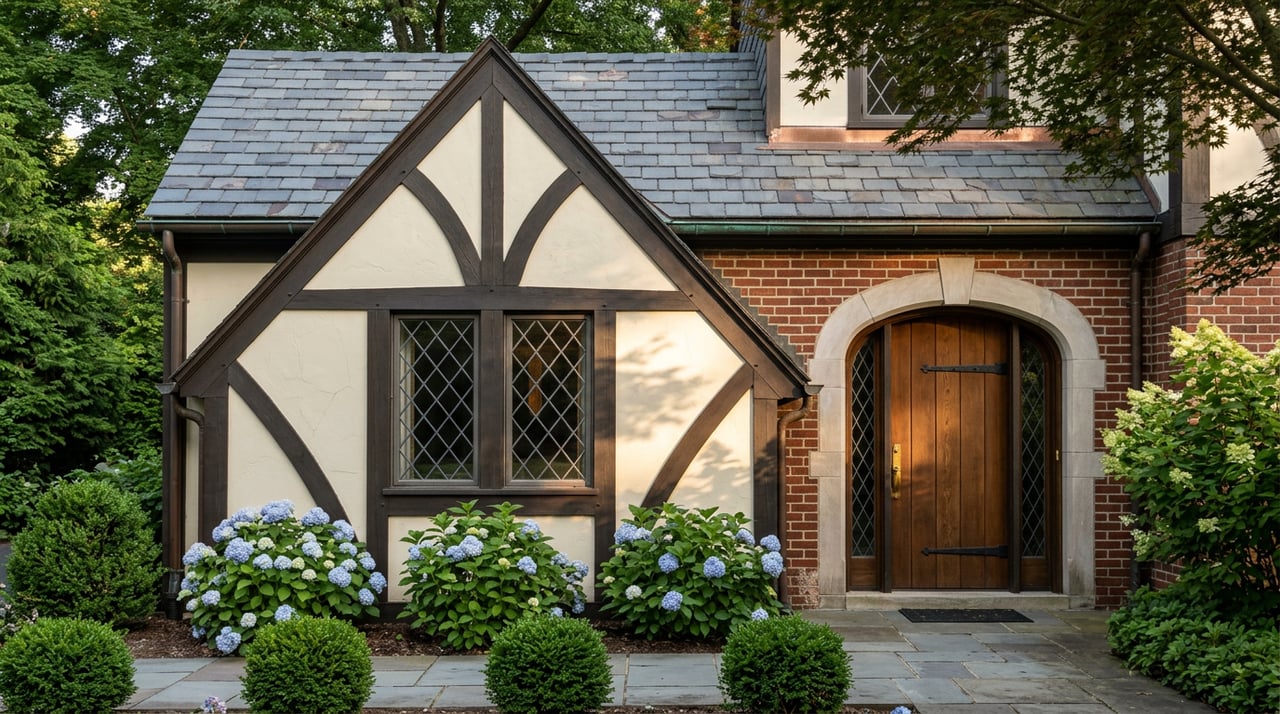
Central is the section that most matches the postcard version of Garden City: Colonial, Tudor, and Victorian homes on tree-lined blocks, the Garden City Hotel as an anchor, and the Garden City LIRR station on the Hempstead Branch within walking distance. Listings here read as "mid-block Central Section" for a reason. The address itself is priced in.
Central is where the list-vs-sale spread bites hardest. Well-prepared inventory here is a meaningful share of the transactions that pull the sale median above $1.4M.
The Western Section is the quiet one. Less new construction, more uniform housing stock, larger setbacks, and a more residential feel. For a buyer prioritizing a settled block over the last renovation dollar, Western tends to offer the most predictable value per square foot. It is also the section least likely to appear in the "featured listings" scroll, which is part of why it prices the way it does.
The Eastern Section is the most affordable of the five and the section that most drags the village aggregate downward. It borders Hempstead village and is one of the only parts of Garden City not within an easy walk to an LIRR station. A buyer using the $1.29M village list median as a starting point will find more inventory here than they expected. A buyer aiming for the Estates or Central will find that same median buys them nothing at all.
Garden City has an unusual density of rail service. Four stations sit inside village borders on the Hempstead Branch: Stewart Manor, Nassau Boulevard, Garden City, and Country Life Press. Three additional Main Line stops sit immediately over the village line at New Hyde Park, Merillon Avenue, and Mineola.
That density is not evenly useful, and it is what makes the sections price differently even at similar square footages.
| Section | Nearest station | Walkable? | Price behavior vs. village median |
|---|---|---|---|
| Estates | Country Life Press / Garden City | Drive or short bike | At or above |
| Mott | Mineola (Main Line) | Yes | At or above |
| Central | Garden City (Hempstead Branch) | Yes | Above |
| Western | Stewart Manor / Nassau Boulevard | Yes | At |
| Eastern | Country Life Press | Generally no | Below |
The Hempstead Branch is a slower ride to Penn Station than the Main Line. That is why Mott, despite being older housing stock than parts of the Estates, holds its price so firmly: Mineola is a Main Line stop, and the commute math for a Manhattan professional is materially different.
The 20-day median days-on-market is the second half of the story. Days-on-market is not distributed evenly across the five sections either. Estates and Central well-prepared listings often move in single digits; Eastern inventory sits longer. That has practical consequences for a buyer at the offer stage:
They are recognized, historically consistent, and used by residents, but they are not municipal zoning districts. The Village of Garden City is one incorporated village. The sections describe development eras and street patterns rather than tax lines.
That question is a proxy for other questions. If the priority is commute time, Mott's Main Line access argues for itself. If the priority is architecture and address, Central and the Estates concentrate the highest-appreciation transactions. If the priority is predictability and a quieter block at a lower entry price, Western does more of the work. There is no single answer independent of the buyer's own use case.
Two reasons. First, list prices in Garden City are being set conservatively into a market where the well-prepared inventory is transacting above ask. Second, the mix of what is currently listed skews differently than the mix of what has recently closed. When a run of Estates or Central closings clears, the sale median rises even though the list median has not moved.
For some buyers, yes. The Estates sits in an approach corridor, and the frequency varies by wind and runway configuration. It is worth spending time on the block at different hours before committing.
The buyers who close cleanly in Garden City are the ones who stop pricing the village and start pricing the section. That work starts before the first showing, with an honest map of which section your budget actually reaches and which one you are actually shopping for. If you would like that map built against your specific budget, timeline, and commute, Annie Holdreith can prepare a personalized valuation and launch plan for your Garden City search or sale.
Stay up to date on the latest real estate trends.
In a competitive real estate market, Annie is the Trusted Real Estate Advisor who will guide you to success. When you work with her, you have a calm, respected, seasoned professional with a proven track record by your side every step of the way.
Annie Holdreith
[email protected]
516.509.4082
License #10301201745
364 Plandome Rd Manhasset NY 11030