Locust Valley Neighborhood Guide for Coastal North Shore Living
If you want a North Shore lifestyle that feels polished but not overbuilt, Locust Valley deserves a closer look. This hamlet offers a compact downtown, access to waterfront recreation, and a strong sense of seasonal rhythm that appeals to buyers who want more than just a house. Whether you are relocating from the city, moving up for more space, or searching for a home near coastal amenities, understanding how Locust Valley actually lives day to day can help you make a smarter decision. Let’s dive in.
Locust Valley is an unincorporated hamlet in the Town of Oyster Bay on Long Island’s North Shore. The Locust Valley Chamber of Commerce describes it as a one-square-mile community, with nearby incorporated villages like Lattingtown, Matinecock, and Mill Neck part of the broader local service area.
That distinction matters when you are researching the area. People often talk about “village living” here because the center feels compact and walkable in parts, but Locust Valley itself is not an incorporated village. What you get instead is a small-town feel shaped by local businesses, civic events, and longstanding North Shore character.
The commercial core centers around Birch Hill Road, Piping Rock Road, and the station area. Taken together, local sources point to a downtown district built around everyday convenience rather than a large retail strip.
If you are looking for a place where errands, coffee, dining, and local services feel close at hand, that is part of the appeal. The setting is more intimate than sprawling, which can be attractive if you prefer a community-scale main street over heavy commercial development.
Locust Valley’s history still shapes its present-day feel. The Chamber of Commerce highlights the railroad era and the growth of estates, horse farms, polo fields, and private clubs that helped define the area.
You can still see echoes of that heritage in local businesses. Buckram Stables Cafe on Forest Avenue, for example, leans into an equestrian-inspired design that reflects the area’s Gold Coast identity. That mix of history and everyday usability gives the downtown a look and feel that stands apart from more generic suburban centers.
A town center feels different when people use it throughout the year. The Chamber’s 2026 calendar includes recurring events such as LV ArtWalk in June, the Sale Under the Sun sidewalk sale in August, a Fall Festival in October, a Holiday Champagne Stroll in December, and a Winter Festival with horse-and-carriage rides.
Those events help create a steady community rhythm. The chamber’s hanging-basket program also points to a strong focus on beautification and street-level presentation, which reinforces the polished but approachable atmosphere many buyers notice right away.
For many buyers, the biggest draw is how close Locust Valley feels to the water. Coastal access is real here, but it is important to understand that it is not uniformly public and may depend on local residency rules or seasonal access programs.
That means the lifestyle can be especially appealing if you enjoy summer routines, harbor views, or boating access and want to plan around how these amenities are actually used. In other words, the waterfront is part of the area’s value, but it comes with structure.
According to the City of Glen Cove’s official parks information, only Glen Cove residents may use Pryibil Beach and Crescent Beach. The same source notes that residents of Glen Cove and Locust Valley may use Morgan Memorial Park, and that Locust Valley residents can receive beach parking stickers for Glen Cove beaches.
Morgan Memorial Park is a 40-acre waterfront park with harbor views, swimming, picnicking, summer concerts, fireworks, and the Morgan Park Summer Music Festival. If your ideal weekend includes time outdoors by the water without driving far, that is a meaningful lifestyle advantage.
The Town of Oyster Bay also runs a seasonal beach program and provides access to launch ramps. For 2026, beach access begins on weekends on May 23, then shifts to daily access from June 27 through September 7.
The town lists launch ramps at John J. Burns Town Park, Theodore Roosevelt Memorial Beach, and Harry Tappen Beach. For buyers who own a boat, plan to get out on the water in summer, or simply like living near boating infrastructure, this adds another practical layer to Locust Valley’s coastal appeal.
The broader area also has a strong club and boating culture. Nearby waterfront clubs include Glen Cove Yacht Club, which lists amenities such as docks, a mooring field, launch service, and clubhouse facilities, and Seawanhaka Corinthian Yacht Club on Centre Island, which offers sailing, cruising, regattas, and a boatyard.
Piping Rock Club also maintains a separate beach club facility in Lattingtown. For some buyers, that private-club network is part of what makes this part of the North Shore feel distinct. It contributes to a lifestyle centered on the harbor, sailing, and summer recreation.
Locust Valley is not just about shoreline access. The area also offers meaningful open space, gardens, trails, and nature preserves that make day-to-day living feel quieter and more grounded.
That balance matters if you want a home base that feels residential and scenic, not just seasonal. It also adds value for buyers who prioritize outdoor time without needing to travel far.
Bailey Arboretum is a 42-acre accredited arboretum in Locust Valley that is described as a Nassau County park open to the public. It offers marked trails, gardens, and year-round educational programming.
Nearby, Shu Swamp in Mill Neck provides wooded wetlands, boardwalks, spring flowers, and wildlife. Planting Fields Arboretum State Historic Park in Oyster Bay adds more than 400 acres of lawns, gardens, woodlands, nature walks, and tours of historic Coe Hall. Together, these destinations broaden the area’s appeal well beyond the water.
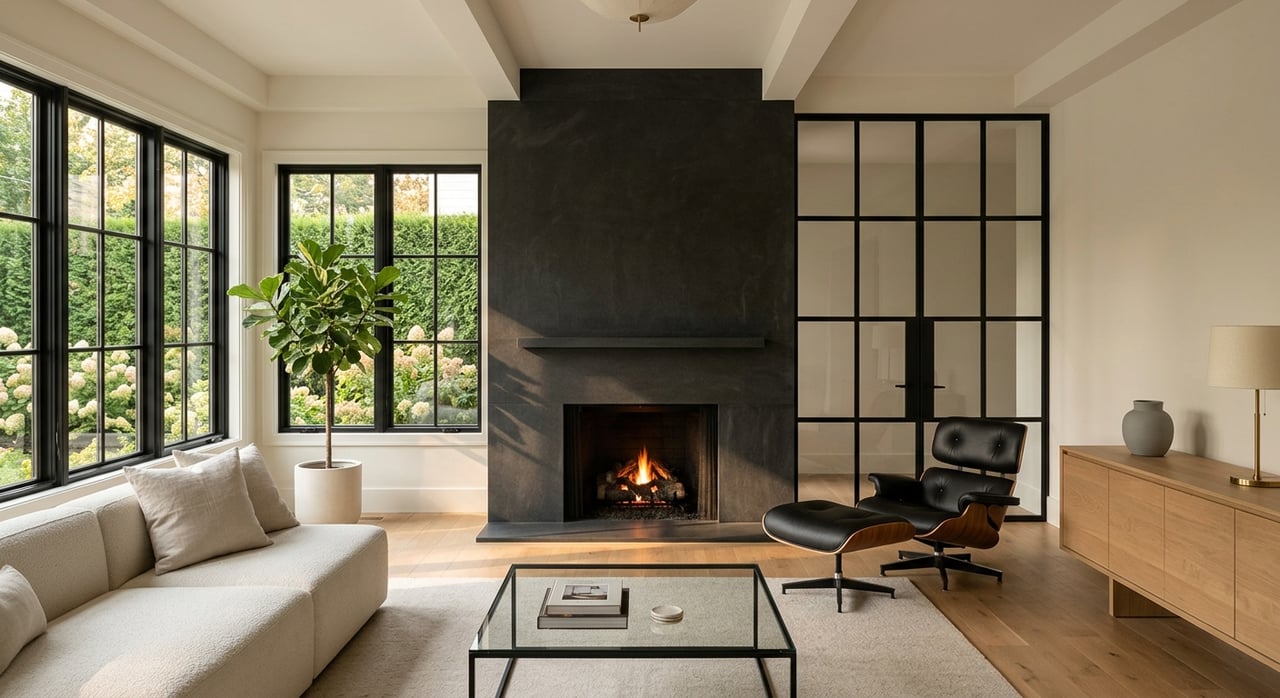
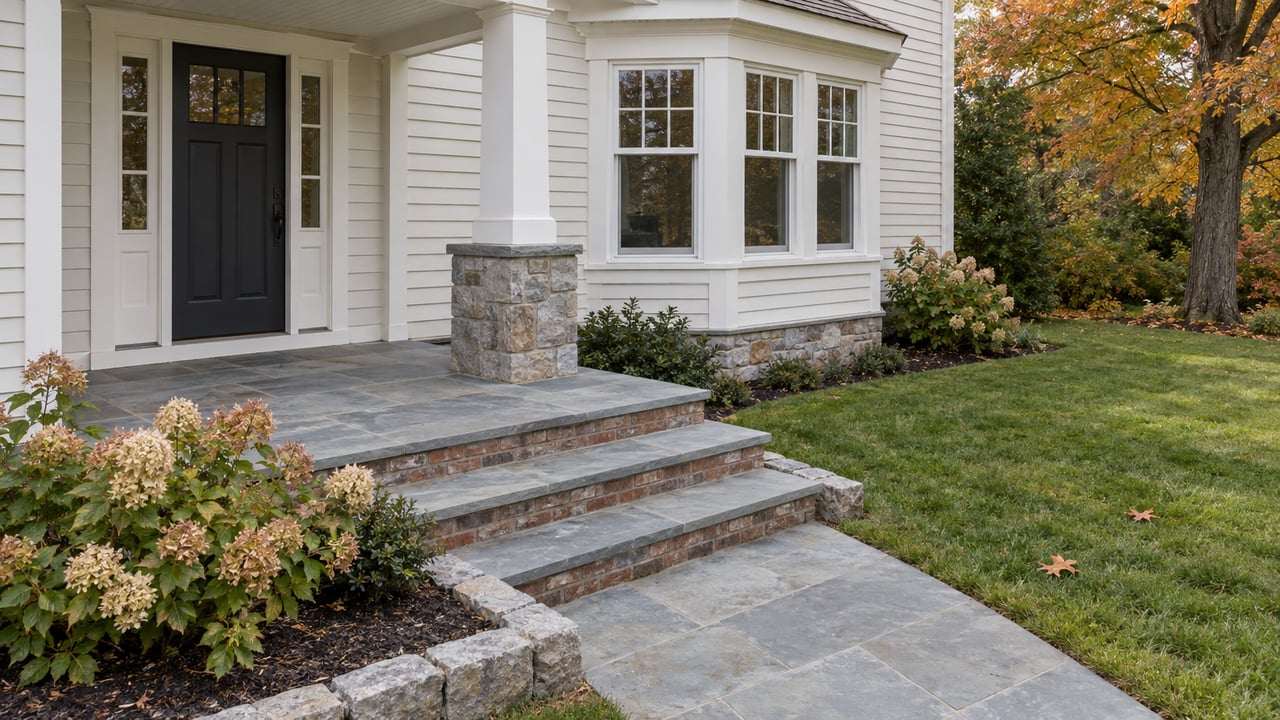
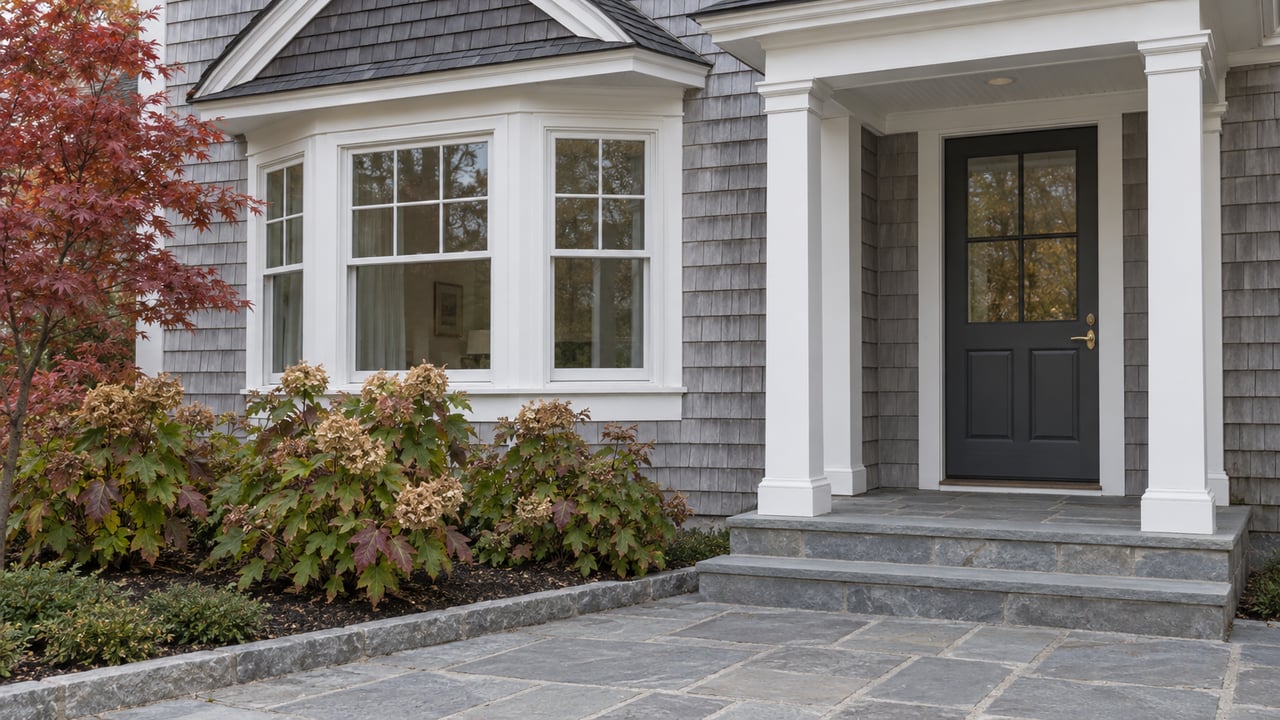
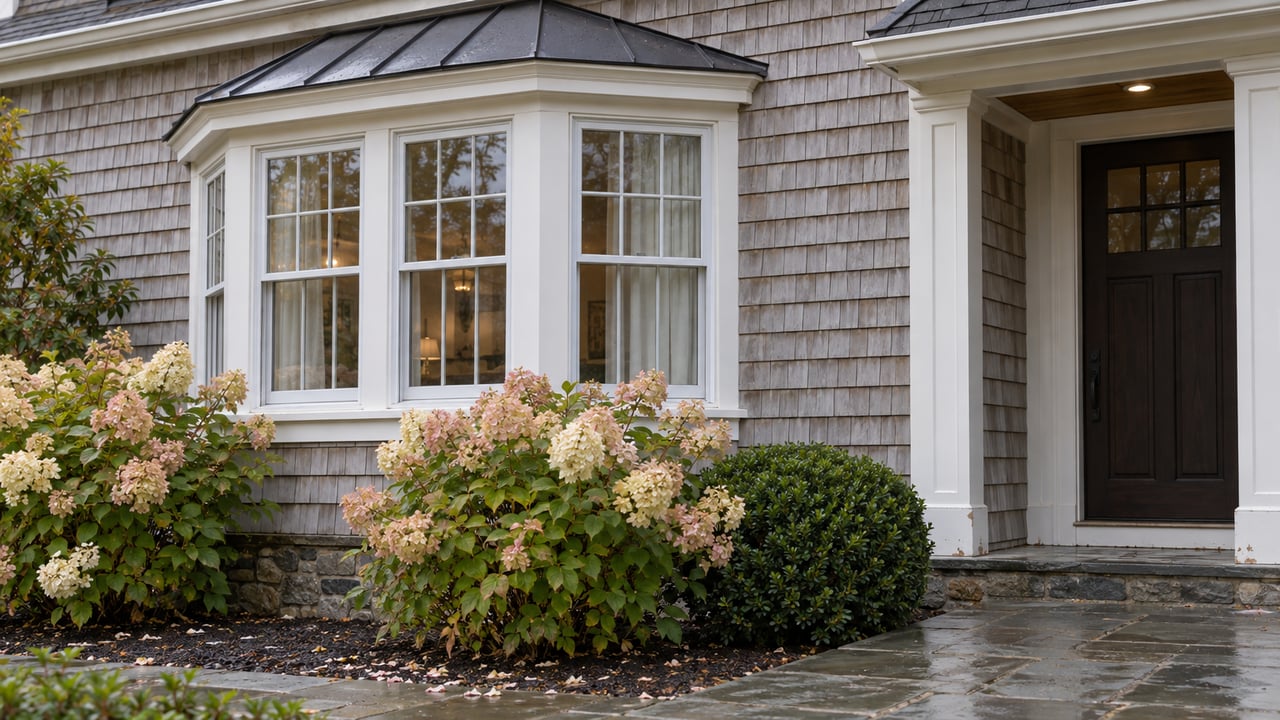
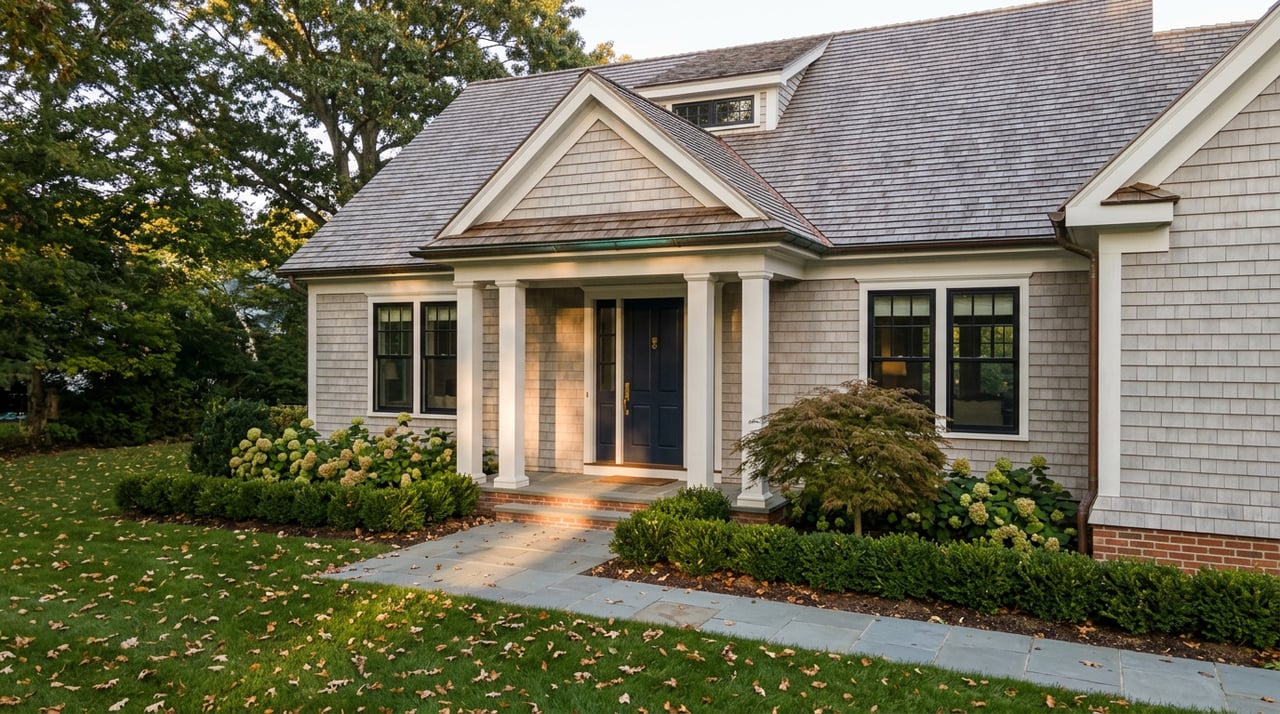
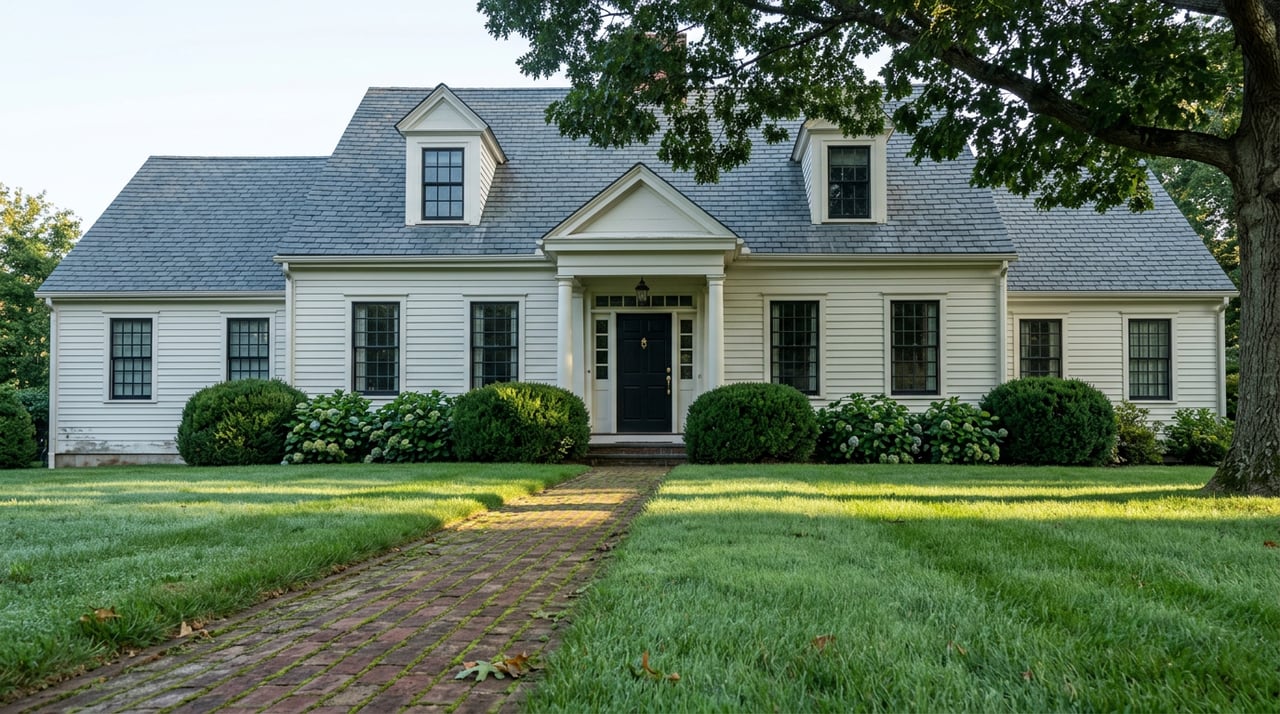
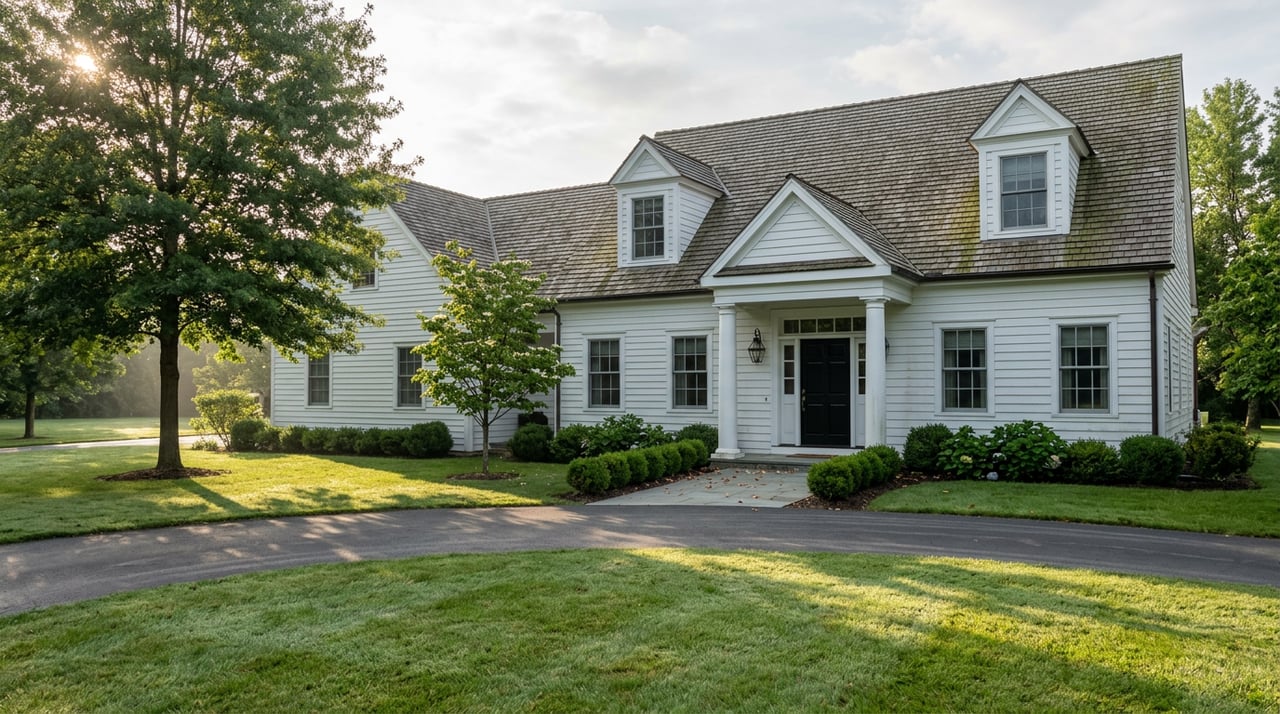
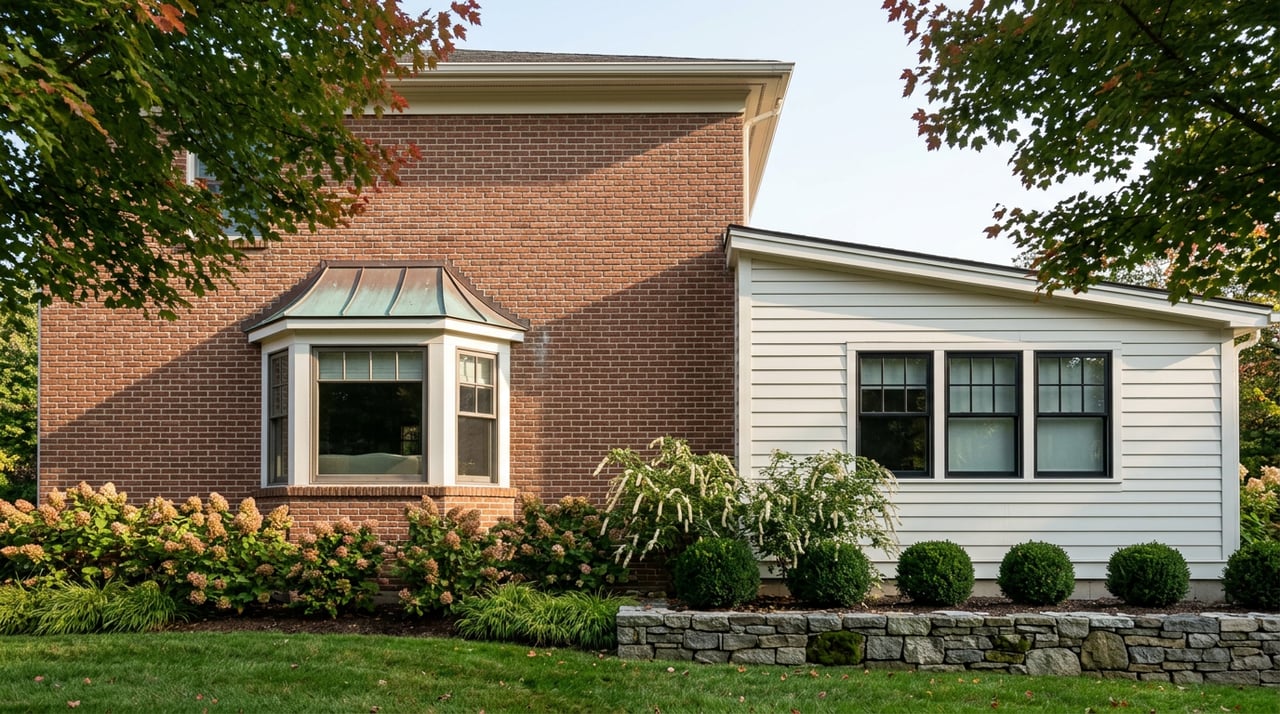
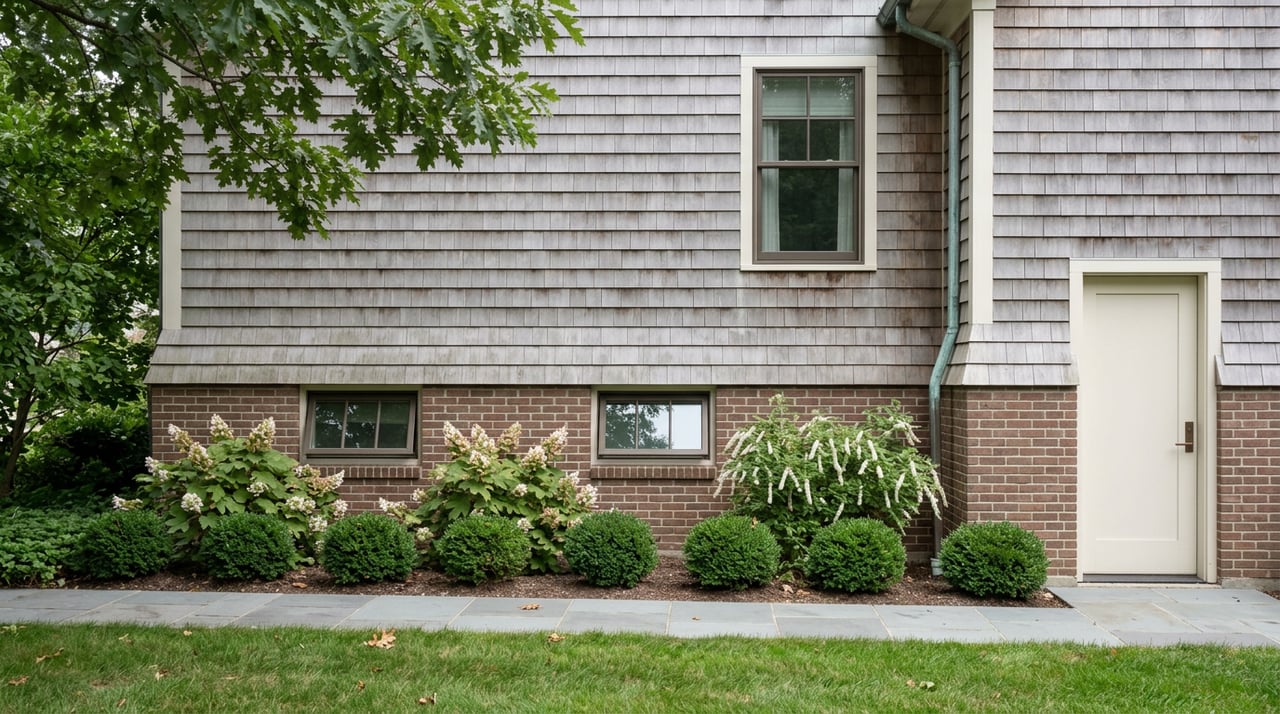
If you are shopping for a home in Locust Valley, you can expect a housing mix that leans heavily into older North Shore character. Local sources describe everything from early-20th-century estates to smaller bungalows, Cape Cods, ranches, and newer traditional homes.
In general, the center is associated with a more compact, sidewalk-lined setting, while larger homes and more acreage tend to appear toward the edges of the hamlet. That creates a range of options depending on whether you want village proximity, more land, or a more estate-like setting.
Locust Valley can be a strong fit if you want architectural variety and a setting that feels established. Instead of a one-note housing inventory, the area offers a blend of scale, age, and style that may appeal to move-up buyers, commuters, and those seeking a North Shore lifestyle property.
For buyers coming from New York City, that can mean finding a home with more outdoor space while still keeping a connection to train access and local amenities. For sellers, the area’s character-rich inventory also means presentation matters, because buyers often respond strongly to homes that highlight setting, condition, and lifestyle.
Lifestyle matters, but buyers also need the basics to work. In Locust Valley, two practical advantages stand out: access to the Locust Valley Central School District and service on the Long Island Rail Road.
These are often key considerations for households comparing North Shore communities. They can influence not just convenience, but also how sustainable the move feels over the long term.
The Locust Valley Central School District lists six schools: Bayville Primary, Ann MacArthur Primary, Bayville Intermediate, Locust Valley Intermediate, Locust Valley Middle, and Locust Valley High School. The district’s homepage also highlights recent 2026 recognition in music education and visual arts.
If school options are part of your home search, this is one of the practical anchors to review as you compare neighborhoods and housing choices. It is useful to confirm attendance details directly as part of your due diligence.
For commuters, the Locust Valley station is on the Oyster Bay Branch of the Long Island Rail Road. The MTA lists the station as accessible and notes features such as ramps, tactile warning strips, audiovisual passenger information systems, ticket machines, and waiting-area hours.
That rail access helps support Locust Valley’s appeal for buyers who want a quieter North Shore setting while maintaining a workable connection to New York City. It is not the only reason people choose the area, but it is often part of the decision.
Locust Valley tends to appeal to buyers who want a residential setting with a strong identity. The combination of a compact downtown, open space, coastal access, and historic housing stock creates a lifestyle that feels more layered than a typical suburban node.
You may find it especially appealing if you want:
For sellers, these same qualities are often the story. A well-prepared listing can benefit from showing not just the home itself, but how the property connects to downtown convenience, open space, and the area’s coastal lifestyle.
In a market like Locust Valley, small differences can shape value in a big way. Proximity to the station, access to open space, property setting, house style, and the broader lifestyle story all influence how buyers perceive a home.
That is why local context matters whether you are buying or selling. If you are preparing to make a move in Locust Valley or elsewhere on the North Shore, working with an advisor who understands presentation, pricing, and neighborhood positioning can help you move forward with more clarity and less stress.
If you are considering a move and want a polished, strategic plan tailored to your goals, Annie Holdreith can help you evaluate the market, position your home, or narrow in on the right North Shore community.
Stay up to date on the latest real estate trends.
In a competitive real estate market, Annie is the Trusted Real Estate Advisor who will guide you to success. When you work with her, you have a calm, respected, seasoned professional with a proven track record by your side every step of the way.
Annie Holdreith
[email protected]
516.509.4082
License #10301201745
364 Plandome Rd Manhasset NY 11030