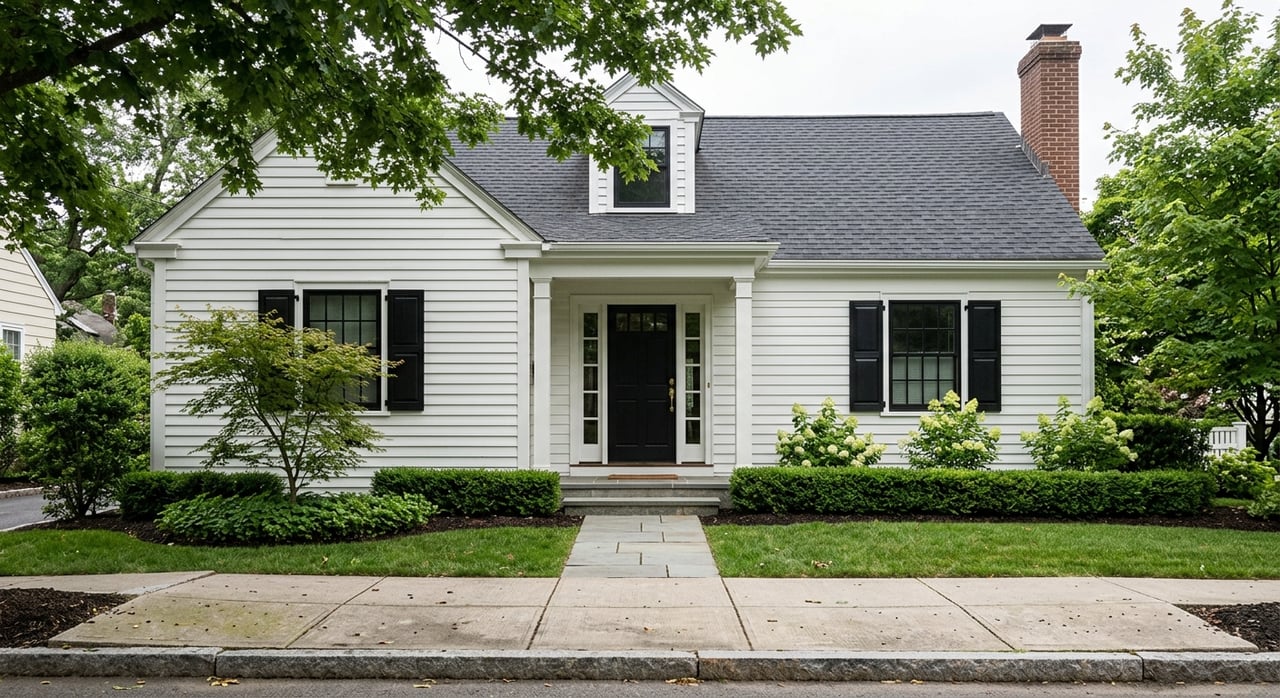
Garden City Walkable Living Near Shops and the Train
Looking for a Long Island village where you can leave the car parked more often without giving up a classic suburban setting? Garden City stands out for exactly that reason. If you want a home near shops, parks, everyday errands, and the train, this guide will show you how Garden City’s walkable core fits into daily life and what to keep in mind as you search. Let’s dive in.
Garden City is an incorporated village in central Nassau County, about 20 miles east of Midtown Manhattan. The village describes itself as one of America’s earliest planned communities, with wide avenues, tree plantings, spacious lots, and its own railroad line. That planning history still shapes how the village feels today.
The village covers about 5.3 square miles and includes both residential and commercial areas. That matters because Garden City offers a compact center where some daily needs can be handled on foot, while the surrounding areas remain primarily residential. For many buyers, that balance is the appeal.
The most convenient everyday area centers on Seventh Street, Franklin Avenue, and New Hyde Park Road. This is where you find a cluster of shops, restaurants, and village activity in a relatively compact area. If your goal is to walk to coffee, casual dining, errands, or the library, this is the part of Garden City to understand first.
The village continues to invest in this business district. Its 2024-2025 annual report notes beautification efforts and upgrades tied to Seventh Street and Franklin Avenue. Recent village updates have also referenced outdoor tables and chairs for some food establishments under special permit, which adds to the active street-level feel.
For many buyers, walkability is less about a score and more about routine. Can you step out for a meal, pick up a few things, or meet a friend without planning a drive? In Garden City’s central village area, the answer can be yes, depending on where you live.
The Village Visitors Center points residents toward local shopping and restaurant listings, reinforcing that the downtown core is meant to support daily life. If you prefer a neighborhood where dining and errands are woven into the village center, Garden City offers a practical version of that lifestyle.
Walkability is not only about retail. It also depends on civic destinations that make a place feel usable and connected day to day. In Garden City, that includes the Public Library at 60 Seventh Street, the Village Green, and a network of village-maintained public spaces.
These places give the center more than a commercial feel. They create a village environment where your routine may include library visits, a quick stop at a park, or a short walk through landscaped public areas. That kind of rhythm is part of what buyers often mean when they say they want a more walkable lifestyle.
Garden City’s Recreation & Parks Department maintains village-owned parkland and malls and plants more than 100 trees and about 30,000 flower bulbs each year. That ongoing maintenance helps support the polished, cared-for setting many people notice right away.
The department maintains facilities including Community Park, Edgemere Park, Grove Park, Hemlock Park, Nassau Haven Park, Stewart Field, and Tullamore Park. Depending on where you live, these public spaces can become part of your daily routine, whether that means a morning walk, time outdoors, or a simple shortcut through the neighborhood.
For NYC commuters, Garden City’s rail access is a major part of the story. The Garden City station is on the Long Island Rail Road Hempstead Branch. The MTA notes that the station has ramp-accessible platforms, ticket machines, and a waiting area, though no ticket office.
The village’s own guide describes LIRR service as frequent and estimates travel time to Penn Station at about 45 minutes. It also notes that five railroad stations serve Garden City on the Hempstead Line or nearby Main Line. If commuting flexibility matters to you, that broader station access can be a meaningful advantage.
Garden City remains, at its heart, a single-family village. Village zoning states that one family per dwelling is the norm, and a village land-use study described surrounding residential development near St. Paul’s as primarily single-family, older, well maintained, and landscaped. That description aligns with the broader residential character many buyers expect here.
At the same time, the housing mix is not limited to detached homes. The 2024-2025 annual report lists 6,486 homes, 513 condominiums, and 636 apartments or co-ops. For buyers who want to be closer to the center, that means there may be a smaller supply of alternatives beyond the classic single-family format.
If your priority is living near shops and the train, it helps to know what kinds of homes may appear in or near Garden City’s more walkable pockets.
| Housing type | What the village data shows |
|---|---|
| Single-family homes | The dominant housing type in Garden City |
| Condominiums | A smaller part of the housing mix |
| Apartments and co-ops | Present, but more limited than single-family homes |
There is also an active zoning review page describing a proposed 150-unit multiple-dwelling building at 555 Stewart Avenue, including 15 affordable rental units. For buyers and renters watching the village closely, that signals that housing discussions continue to evolve, even as the overall character remains predominantly low-rise and residential.
A walkable community only works when the infrastructure supports it. In Garden City, village regulations require property owners to maintain sidewalks and remove snow or ice within 24 hours after a storm ends. That kind of rule helps keep pedestrian routes more usable through the seasons.
The village’s Traffic and Street Lighting Division also repaints crosswalks, stop lines, arrows, and lane markings each spring, summer, and fall. It maintains more than 7,400 traffic signs and 2,284 street lights. Those details may sound small, but they are part of what makes everyday walking feel more practical.
Safety improvements also play a role in how a place functions on foot. The village’s traffic-calming plan was designed to reduce speeding and dangerous driving and to improve pedestrian safety. That supports the broader idea of a village center where walking is part of normal daily movement.
The village police also ran a back-to-school enforcement initiative in 2025 focused on traffic around schools, bus stops, and routes frequently used by student walkers. For buyers thinking about routines that involve walking at different times of day, that effort adds useful context about how the village manages activity near key pedestrian areas.
Garden City Public Schools says the district serves nearly 3,900 students across seven schools: three primary schools, two elementary schools, one middle school, and one high school. For many households, that means school-related traffic and walking patterns are part of everyday life in the village.
If you are planning a move, it is smart to think beyond the house itself. Consider how your morning routine, after-school schedule, and commute might connect with sidewalks, crossings, train access, and the village center. In a place like Garden City, those pieces often work together.
Garden City’s walkable core tends to appeal to buyers who want more convenience without leaving a traditional suburban setting. You may be a strong fit if you want a residential neighborhood feel but still value being able to reach dining, civic spaces, parks, or the train with less dependence on the car.
This can be especially appealing if you are relocating from New York City or another close-in market and want a smoother transition to suburban life. Instead of trading all walkability for more space, Garden City offers a middle ground: a village-center lifestyle within a mostly single-family Nassau County community.
Not every home in Garden City will offer the same level of walkable convenience. If this lifestyle matters to you, pay close attention to location within the village, your route to the station, and how close you are to Seventh Street, Franklin Avenue, New Hyde Park Road, parks, and civic destinations.
It is also worth looking at the tradeoff between home style and proximity. In some cases, being closer to the core may mean considering a condo, co-op, or apartment option instead of a detached house. In others, you may find a single-family home that still gives you useful access to the village center.
In a market like Garden City, the details matter. Two homes can both be in the same village but offer very different day-to-day experiences depending on how they connect to the train, downtown streets, and public spaces. That is why a location-specific home search is so important.
When you work with an advisor who understands how buyers actually live, it becomes easier to focus on the routines that matter most to you. Whether you are prioritizing commute ease, village-center access, or the right single-family home near key amenities, a clear strategy can save time and reduce stress.
If you are considering a move to Garden City or preparing to position a home for sale, Annie Holdreith can help you build a smart, tailored plan around your goals.
Stay up to date on the latest real estate trends.
In a competitive real estate market, Annie is the Trusted Real Estate Advisor who will guide you to success. When you work with her, you have a calm, respected, seasoned professional with a proven track record by your side every step of the way.
Annie Holdreith
[email protected]
516.509.4082
License #10301201745
364 Plandome Rd Manhasset NY 11030