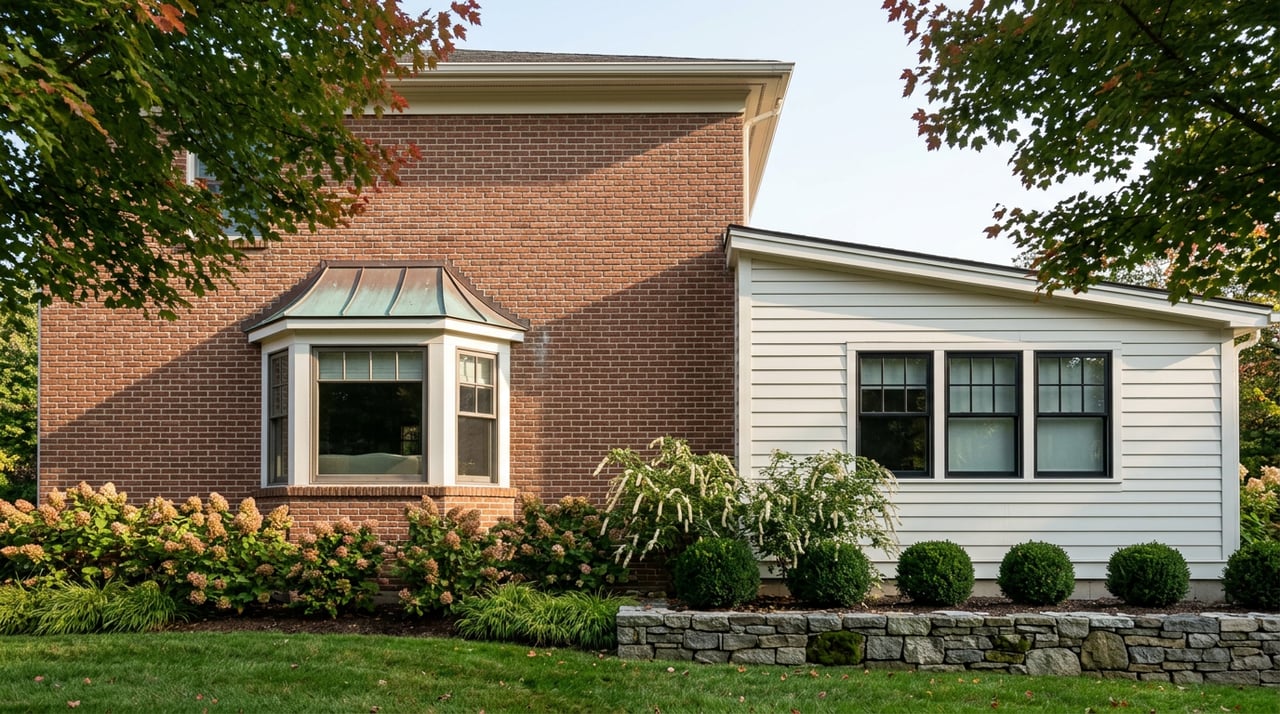
In Garden City, the Closing Risk Isn't Your Roof. It's Your Permit File.
Most Garden City sellers brace for the wrong inspection. They worry about the roof, the boiler, the foundation crack near the garage. Those are real concerns, but they are rarely what stalls a closing in this village. The thing that actually derails a deal, more often than a structural surprise, is a permit that was never closed out with the Village decades ago.
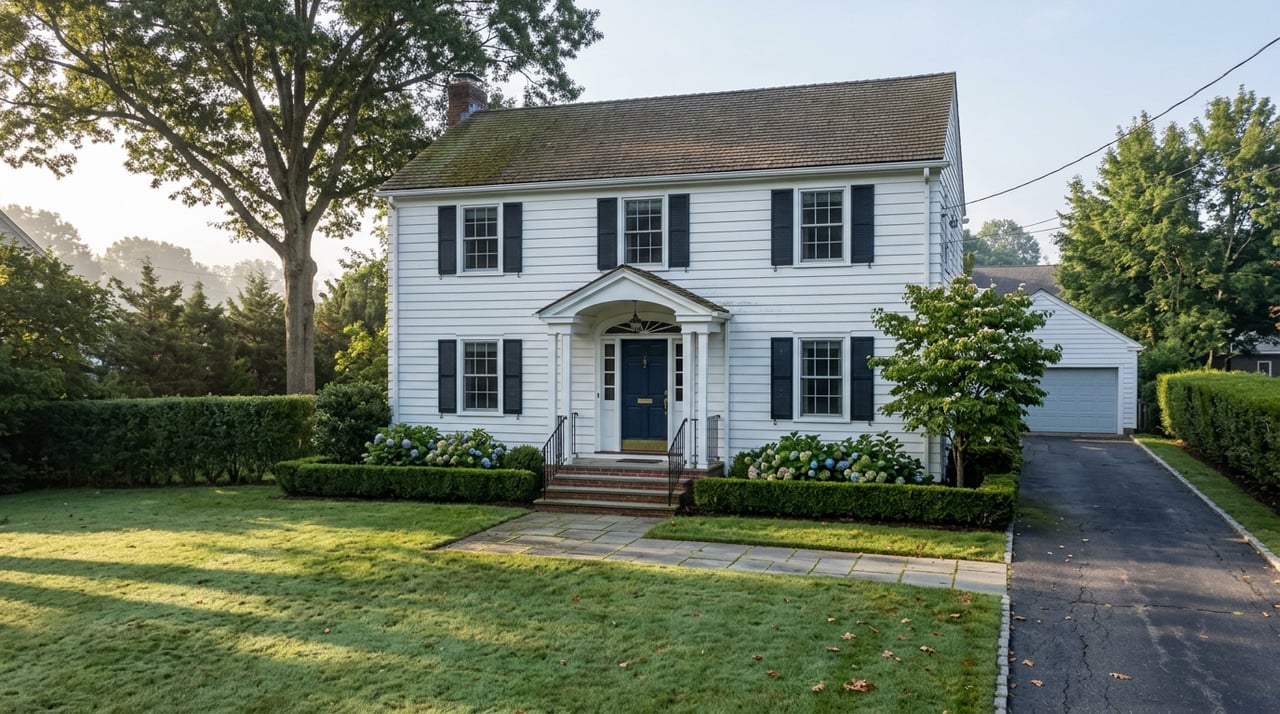
Here is how it typically unfolds. A seller lists a Colonial in the Estates section or a Tudor on one of the older maps in Central Garden City. The house shows beautifully. An offer comes in within weeks. Then, somewhere in attorney review or the title search, a question surfaces about a finished basement, an enclosed porch, or a garage that was converted to living space sometime in the past forty years. Nobody remembers a permit. Nobody has a Certificate of Occupancy for the work. The closing that was supposed to take sixty days now waits on a call to Village Hall.
Garden City is an incorporated village, which means it runs its own Building Department out of Village Hall at 351 Stewart Avenue, separate from Nassau County. That distinction matters more than most sellers realize. A generic county records pull will not tell you whether the Village ever issued a final sign-off on your home's additions. Only the Village's own file does that.
Under Chapter 68 of the Village Code, no building or structure in Garden City may be used or occupied, in whole or in part, until a certificate of occupancy, certificate of completion, or letter in lieu has actually been issued by the Building Department. Every permit that's ever pulled requires a close-out inspection before that certificate can be granted. If a homeowner pulled a permit for a basement remodel in 1998 and never scheduled the final inspection, the file stays open. It doesn't resolve itself with time. It sits there until someone, usually a title company or a buyer's attorney, finds it.
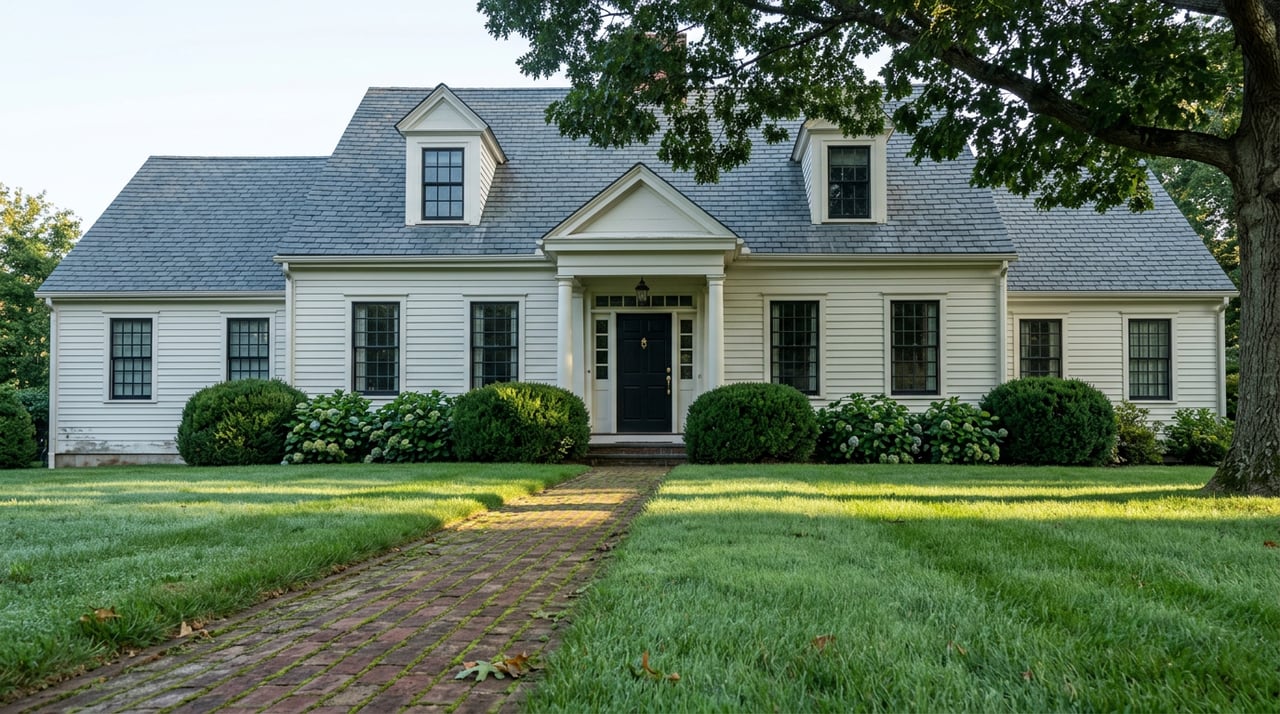
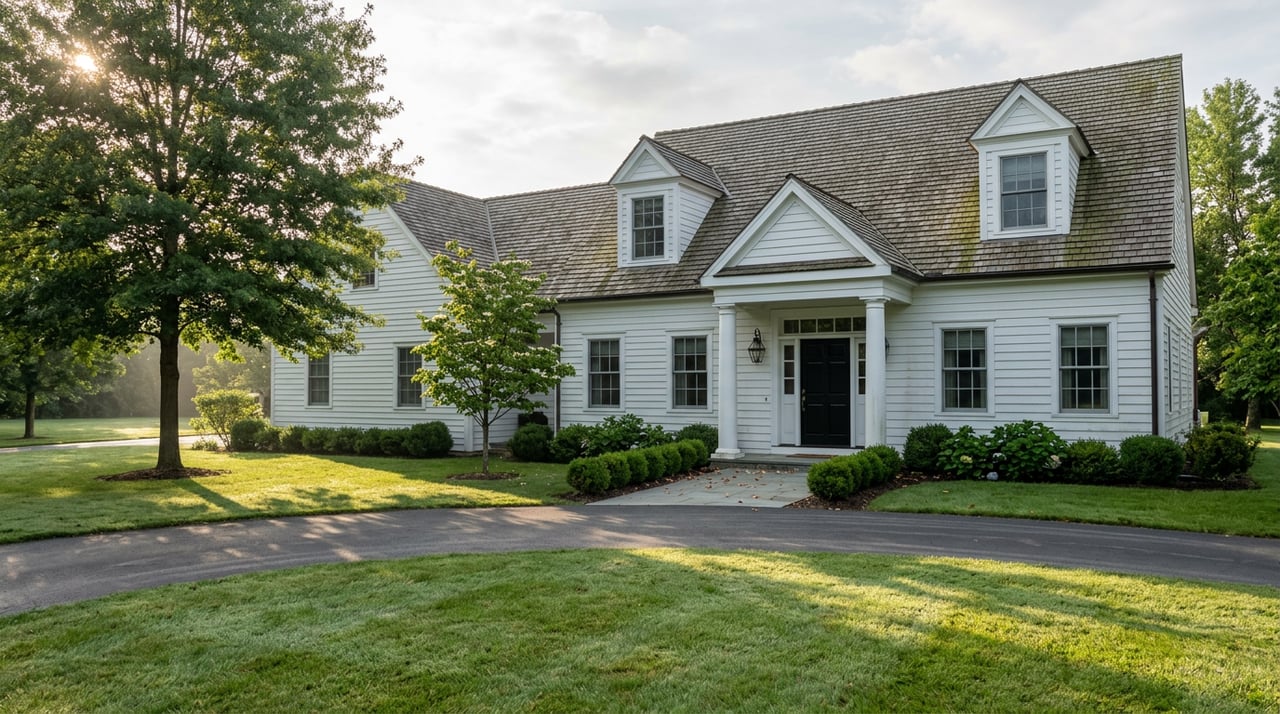
Garden City's housing stock makes this more likely, not less. Much of the village was built in the early to mid-twentieth century, and homes on maps like Garden City Estates, Garden City Central, and Pell Gardens have been added onto for generations. A rear addition in the 1970s. A converted attic in the 1990s. A finished basement more recently. Public Architectural Design Review Board minutes over the past few years show this pattern in specific, ordinary form: additions and replacement dwellings reviewed for homes on streets like Whitehall Boulevard, Roxbury Road, Chester Avenue, and Brixton Road, each one a small piece of a house's permit history that a seller may not think to check until a buyer's attorney asks about it.
Every one of those projects, in theory, needed its own building permit and its own close-out inspection. When any link in that chain is missing, the gap doesn't show up on a home inspection report. A home inspector evaluates condition, not municipal paperwork. The two are separate systems, and only one of them can stop a closing cold.
Here's the nuance that catches even careful sellers off guard. The Village's own description of the Architectural Design Review Board states plainly that all plans for new buildings, additions, alterations, and signs must be submitted for review, with one exception: additions or alterations to one-family homes. Read quickly, that sounds like single-family homeowners get a pass on municipal oversight for their renovations.
They don't. That exemption applies only to the design review board, the body that judges whether a project's exterior look fits the neighborhood. It says nothing about the building permit and certificate of occupancy requirements under Chapter 68, which apply to every property in the village regardless of ADRB status. A homeowner can skip design review entirely and still be required to pull a permit, pass inspections, and close out the file with the Building Department before that work is considered legal.
In practice, plenty of single-family projects go through ADRB anyway, especially larger additions, replacement dwellings, and anything visible from a corner lot. That means many Garden City homes already have some history in the Village's review system. It does not mean the underlying permit was necessarily finished. Those are two different boxes to check, and a seller who confirms one often assumes, incorrectly, that the other is settled too.
If a gap turns up, the fix is not free and not instant. The Village's fee schedule sets a base residential permit fee of $400 for the first $1,000 of estimated project valuation, plus $20 for every additional $1,000. Work performed without a permit, and then legalized after the fact, is charged at three times the standard application fee under Village code. A modest basement finish that would have cost a few hundred dollars in permit fees years ago can cost considerably more once it has to be legalized retroactively, on top of whatever it takes to bring old work up to current code.
Timing adds pressure too. Building permits for major projects expire six months after issuance unless the Building Department confirms substantial progress, in which case they're extended to eighteen months. Minor projects follow a similar six-month window with a possible extension to one year. None of that matters much to a homeowner living in the house. It matters a great deal to a seller trying to close in forty-five days.
None of this is theoretical urgency. In August 2026, homes listed for sale in Garden City carried a median asking price near $1.29 million, and the typical listing was moving to contract in about 25 days, roughly 13 percent faster than the same month a year earlier. Closed sales in March 2026 showed a median price of $1.4 million, up 17.4 percent from the year before. Buyers are moving with intent, and sellers are getting offers faster than they may expect.
A quick market cuts both ways. It rewards a clean, ready listing. It punishes a delay. A buyer who wrote an offer expecting a smooth six-week close has far less patience for a six-week detour to legalize a thirty-year-old porch enclosure. Some walk. Others use the delay to renegotiate. Either outcome costs a seller money and time that a five-minute phone call could have prevented.
The fix is simpler than the problem sounds, and all three steps happen before you sign anything with a buyer.
My house was built in the 1920s. Does it need a certificate of occupancy at all? Original construction that predates the Village's certificate of occupancy requirements is generally treated differently, and the Building Department can typically confirm in writing that none is required for a structure of that era. That confirmation does not extend to anything built or altered afterward. A 1920s house with a 1980s addition still needs a clean file on that later work.
Won't my buyer's attorney just catch this during the standard title search? Often, yes, but not always early enough to avoid a delay. Municipal searches vary in depth and timing, and a gap sometimes doesn't surface until well into attorney review, which is precisely the point in a transaction where neither side wants a surprise.
How long does legalization actually take once it's discovered? The research doesn't give a fixed timeline, and the honest answer is that it depends on the scope of the original work and the Building Department's current queue. What we do know is that permits themselves expire on a six-to-eighteen-month clock once issued, which is exactly why starting the process before you're under contract, rather than during it, is the difference between a manageable delay and a deal-threatening one.
If you're preparing to sell a home in Garden City, the condition of the kitchen matters less than the condition of the file. Annie Holdreith has spent nearly three decades managing exactly this kind of village-specific detail for North Shore sellers, coordinating with buyers' attorneys and municipal offices so a paperwork gap gets resolved on your timeline instead of theirs. Request a personalized valuation and launch plan before you list, and let's find out what your home's file actually says.
Stay up to date on the latest real estate trends.
In a competitive real estate market, Annie is the Trusted Real Estate Advisor who will guide you to success. When you work with her, you have a calm, respected, seasoned professional with a proven track record by your side every step of the way.
Annie Holdreith
[email protected]
516.509.4082
License #10301201745
364 Plandome Rd Manhasset NY 11030